By Nicola (Nikki) Edwards-Kalaf · 27 November 2026
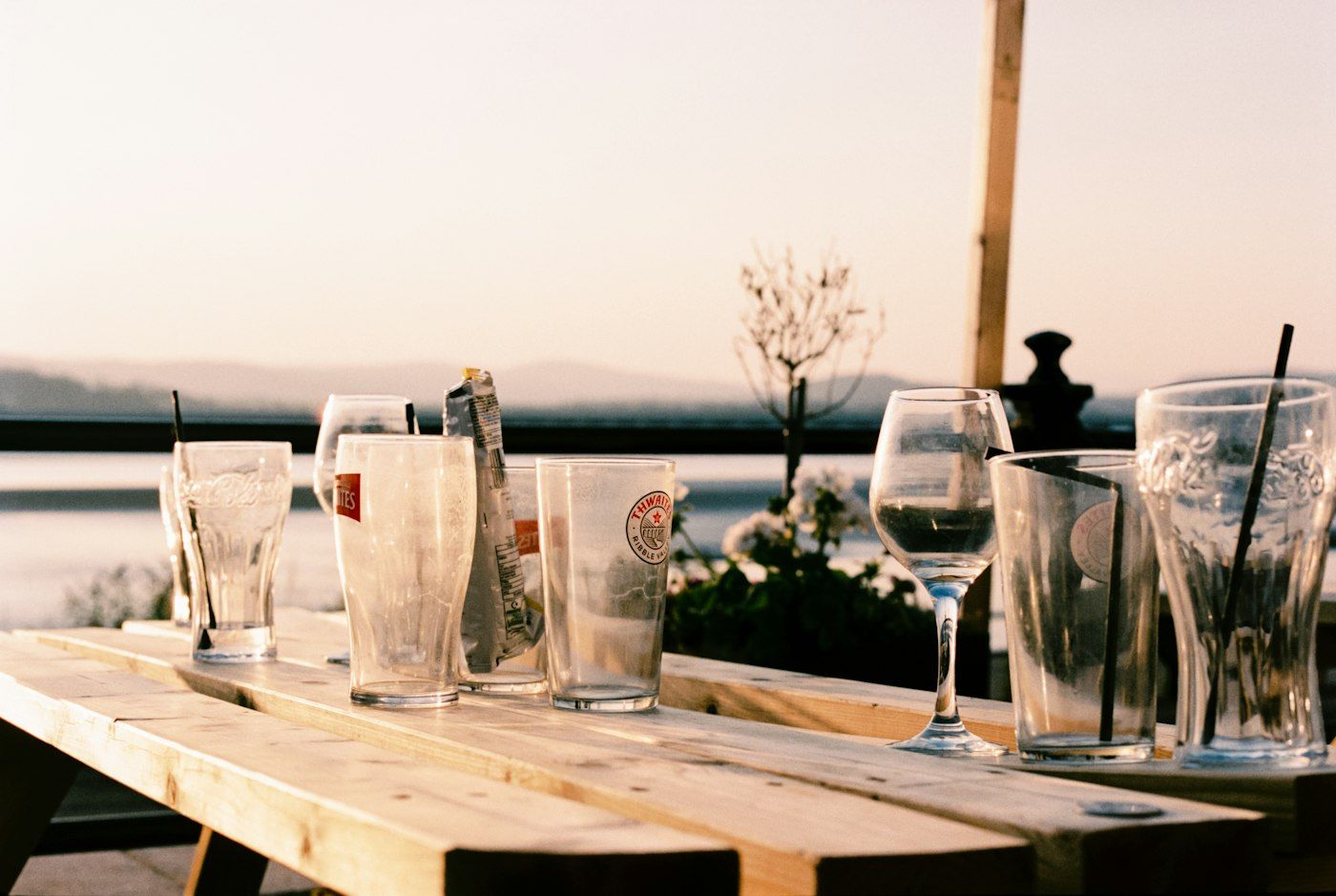
The question is simple enough: does what you eat actually change how a night of drinking goes? Yes, and the mechanics are easier to use than most people expect. Food in your stomach slows how quickly alcohol moves into your bloodstream, water breaks up the pace of drinks without anyone noticing, and having a genuinely good non alcoholic option on hand means you are never choosing between "drink" and "stand there with nothing." None of this requires a plan. It requires three small habits you can start at the next event on your calendar.
December and January are when drinking quietly creeps up for a lot of Australians, not because anyone decides to drink more, but because there are simply more occasions in a row. Office parties, family lunches, New Year's Eve, a run of barbecues. The Australian Bureau of Statistics has tracked this kind of shift before. In the 2020 to 2021 financial year, one in ten people who drink reported they had increased their consumption, and by 2022, one in eight adults reported increased consumption compared with the year before. It is not dramatic for most people. It is a handful of extra drinks across a handful of extra nights, which is exactly the kind of change that is easy to miss and easy to adjust.
The National Health and Medical Research Council, Australia's peak body for health guidance, revised its alcohol advice in December 2020 and it remains the current standard. The core of it is one sentence, and it is worth knowing plainly rather than guessing at. To reduce the risk of harm from alcohol related disease or injury, healthy men and women should drink no more than 10 standard drinks a week and no more than 4 standard drinks on any one day. The guidelines add a line that is easy to overlook but genuinely useful at this time of year: the less you drink, the lower your risk of harm from alcohol. There is no threshold below which it is pointless to cut back. Every drink you do not have is doing something.
Two groups get specific, individual guidance rather than a general rule, and this is deliberate. Women who are pregnant or planning a pregnancy should not drink alcohol, to prevent harm from alcohol to their unborn child, and for women who are breastfeeding, not drinking alcohol is safest for their baby. If either applies to you, or you have a health condition that changes how alcohol affects you, that is a conversation for your GP or another individual source, not something a general guide like this one can responsibly cover.
Worth saying too, because it is where the festive season actually bites: the guidelines separate a weekly pattern from a single occasion. A long lunch where the day runs past four drinks is a different thing to ten drinks spread across a week, and the ABS data shows this single occasion pattern is common. One in five adults consumed five or more standard drinks on any day in the last year at least monthly, and one in three young adults aged 18 to 24 years did the same, more than any other age group. December is prime territory for exactly this pattern, which makes it worth having a strategy for the day itself, not just the week.
The single most useful thing you can do before a party or a long lunch is eat an actual meal beforehand, not a token handful of crackers on the way out the door. Food in your stomach, particularly anything with protein or fat, slows the rate alcohol is absorbed. It will not change how much you have decided to drink, but it changes how that drinking feels and how evenly it lands across the evening. If you know you are heading somewhere at six and dinner will not appear until eight, eat something substantial at five. Eggs on toast, a tin of fish with crackers, leftover roast chicken, anything that is not just carbohydrate.
Once you are there, keep eating if food is around. This is not about filling up to avoid drinking, it is just common sense that matches the mechanism. A table of cheese, dips, cold meat and vegetables at a Christmas gathering is not just there to look festive, it is doing a job. Standing near it for ten minutes during the evening is a genuinely useful habit, not a trick.
Alternating one glass of water for every alcoholic drink is the kind of habit that sounds almost too simple to mention, which is exactly why it works. It slows your overall pace without turning the night into a negotiation with anyone, it keeps you hydrated through a hot Australian December, and it gives your hands something to do between rounds. Ask for the water with ice in a normal glass. Nobody at a barbecue is auditing what is in your cup.
The other piece worth sorting before the season gets busy is having a non alcoholic drink you actually like, not just tolerate. The non alcoholic beer, wine and spirits category in Australia has improved enormously in the last few years, and having a bottle of something decent in the fridge or esky means you are never standing at a party with nothing in hand but tap water, which for a lot of people is the exact moment they end up drinking more than planned just to have something to hold. This is not about abstaining. It is about having a real option, so that any night you decide you would rather not drink, or have already had enough, does not feel like a gap in the evening.
The most practical shift is to think about the festive period as a whole rather than event by event. If there are six gatherings between now and New Year, you do not need a rule for every one of them. You need a rough sense of the week, so that a bigger night at the office party might mean a quieter one at Sunday lunch with family. This is the same logic behind any sustainable habit: flexible enough to survive an actual week, rather than a strict target that collapses the first time real life gets in the way.
None of this needs a formal plan, a tracker or a New Year's resolution. It just needs the three habits above, started at whichever gathering is next on your calendar. If you want more of this kind of plain, practical reading on everyday food and drink decisions, there is more waiting on the blog.
Filed under Everyday nutrition · all articles
Full recipes, sample days and the weekly letter, straight to your inbox. No spam, unsubscribe anytime.