By Nicola (Nikki) Edwards-Kalaf · 6 July 2026
There's a particular kind of irritation in standing at the meat cabinet in July, watching the price of a scotch fillet climb while your budget doesn't. Red meat has genuinely become more expensive to buy in Australia. According to the Australian Bureau of Statistics, meat and seafood prices rose 5.0% in the twelve months to April 2026, with beef and veal up 11.9% and lamb up 14.6%, driven largely by strong overseas demand for Australian red meat. Grocery bills overall aren't easing either, Canstar Blue's July 2025 survey of supermarket shoppers found the average household now spends $178 a week on groceries, up 6% on the year before.
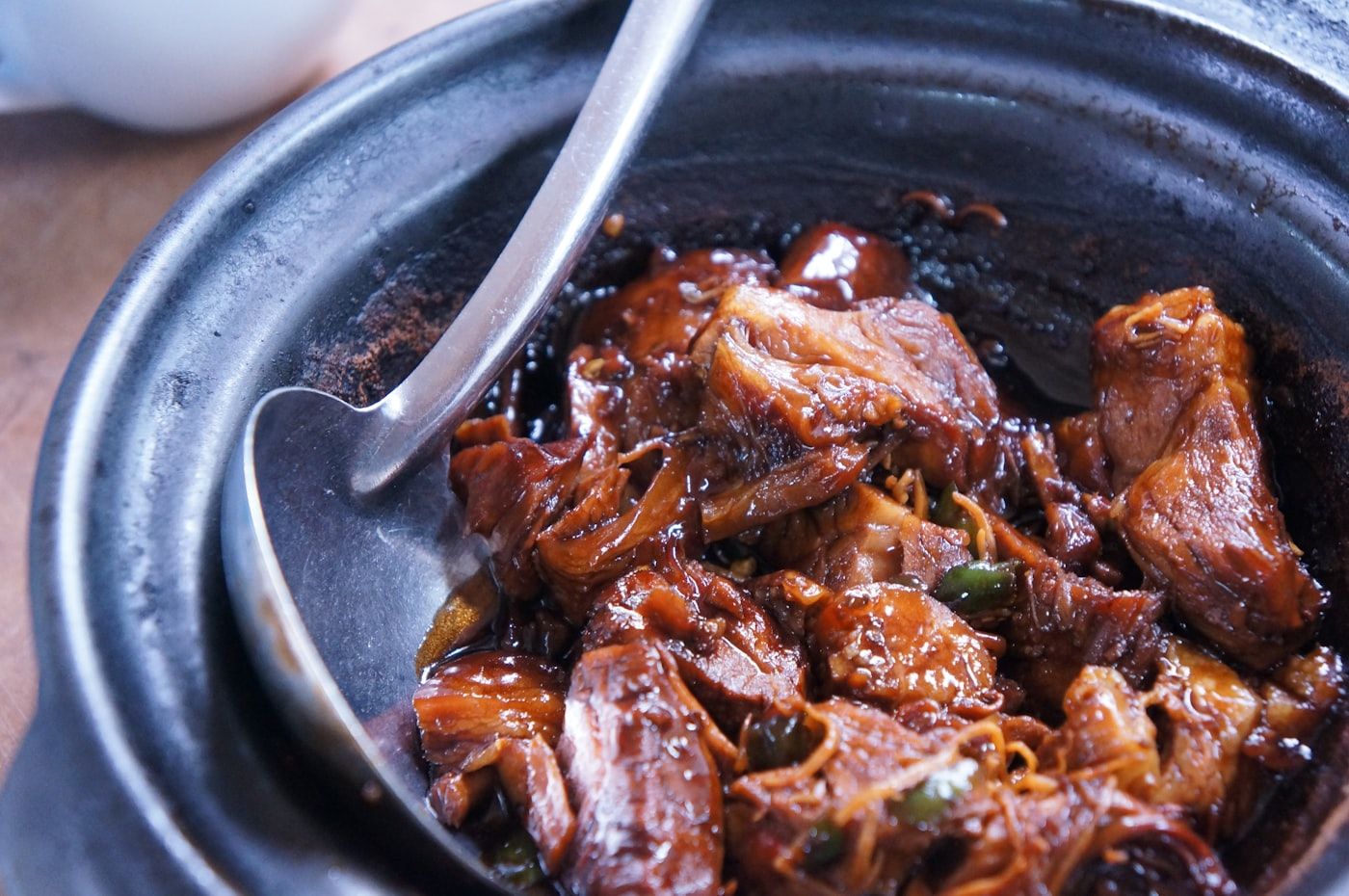
None of that means good meat is out of reach. It means the primal cuts, the ones that get trimmed, tenderised and marked up for a quick pan fry, are the wrong place to be spending in winter. The cuts that come from the parts of the animal that actually do work (the shoulder, the shin, the neck) are cheaper for a reason: they're tougher. Slow cooking is the one technique that turns that toughness into an advantage. Long, gentle heat breaks down the connective tissue in these cuts into gelatine, which is what gives a good braise its silky, clinging texture. You genuinely cannot get that result from an expensive quick cooking cut. Cheap and slow isn't a compromise here, it's the better method for the ingredient.
Most people default to mince or diced "casserole beef" because they don't know what else to ask for, and supermarkets don't always label things helpfully. It's worth learning a handful of real names so you can go looking on purpose.
For beef, chuck steak, blade steak and gravy beef are the workhorses, widely stocked, inexpensive, and built for the slow cooker or oven. Oyster blade is a step up in flavour for a similar price and holds together well as a whole piece if you want to braise it rather than dice it. Beef cheek has become easier to find in supermarket meat sections over the last few years and is genuinely one of the best value cuts going, it turns meltingly soft after a few hours and most people who try it never go back to standard stewing beef.
Lamb has its own set of bargains. Lamb neck chops and lamb shanks are both suited to long cooking and tend to sit well below the price of lamb backstrap or cutlets, even with lamb prices climbing generally. For pork, look for pork hock or pork shoulder, the shoulder in particular is forgiving, cheap, and works for anything from a simple braise to pulled pork you can portion out across the week. Whichever cut you land on, the giveaway signs of a good slow cooking piece are visible marbling or connective tissue running through it, and a lower price per kilo than the cuts sitting next to it in the cabinet. That's not a lesser cut, that's the cut doing exactly what it's meant to do.
The reason slow cooking is worth learning as a method rather than a single recipe is that once you understand the logic, you can apply it to whatever cut and vegetables you've got in the fridge that week.
Start by browning the meat in a hot pan before it goes anywhere near the slow cooker or oven, this is the step people skip when they're time poor, and it's the one that builds most of the flavour, so it's worth the extra five minutes. Deglaze the pan with a splash of stock or wine, scraping up the browned bits, and add that liquid to the pot. From there, the meat needs enough liquid to come partway up the sides, not to fully submerge it, you're braising, not boiling. Low and slow means low: a slow cooker on low, or an oven around 150 to 160°C, run for anywhere between three and eight hours depending on the size of the piece.
The real skill is in testing doneness by feel rather than by the clock. A tough cut is done when a fork slides in with almost no resistance, not at a fixed time. If it's still firm, it needs more time, not more heat, cranking the temperature just dries the outside while the middle stays tough. This is also why these cuts are so forgiving for a business owner who can't watch a pot: an extra hour on low rarely ruins anything, where an extra ten minutes on a pan fried steak absolutely will.
The other advantage of these cuts is volume. A kilo of chuck steak or lamb neck feeds more people for less money than the equivalent weight of a premium cut, and it freezes and reheats without losing quality, braises tend to taste better the next day, not worse. That makes winter slow cooking less about a single dinner and more about setting up a few solid meals with one session of actual hands on effort.
If you're after more everyday, no nonsense ideas for making real food work around a busy schedule, there's a running collection over on the Nudge Nutrition blog worth bookmarking for the colder months ahead.
Filed under Real Australian food · all articles
Full recipes, sample days and the weekly letter, straight to your inbox. No spam, unsubscribe anytime.