By Nicola (Nikki) Edwards-Kalaf · 4 July 2026
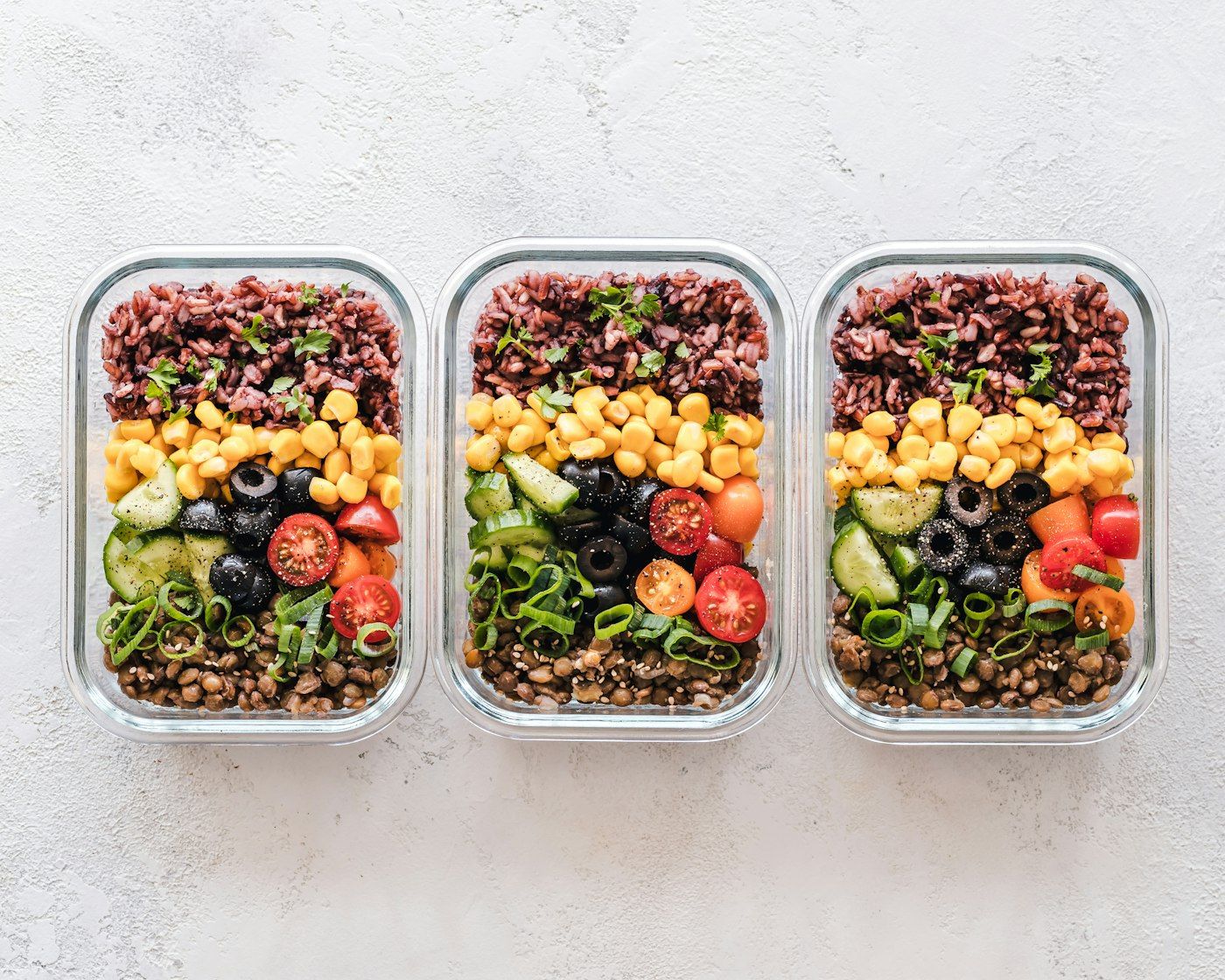
Most people who try batch cooking give up for the same reason: by Wednesday they're staring down their fourth identical container of the same mince dish and would rather order something, anything, else. The problem was never the cooking. It was the plan. Batch cooking doesn't mean eating the same meal three nights running, it means cooking one flexible base once, then steering it in three different directions so it never tastes like leftovers at all.
If you run a business, that distinction matters more than any recipe. You don't have the hours to cook from scratch every night, but you also don't have the patience to eat a sad reheated pasta at your desk on day three. The fix is building meals around a base that's deliberately unfinished, plain enough to take on three separate identities depending on what you add at the end.
The advice to batch cook gets handed out constantly, but it rarely accounts for how little slack most business owners actually have. The ABS 2024 Time Use Survey found females spent more time on unpaid work, at 4 hours 53 minutes on average a day, than males at 3 hours 52 minutes, and unpaid work is exactly where food preparation and shopping sit. When that's already competing with running a business, a Sunday spent cooking five separate dinners for the week isn't realistic, and it isn't necessary either.
The other cost hiding in plain sight is waste. According to the Queensland Government, Australian households spend between $2,000 and $2,500 per year on food that is wasted. A lot of that waste is half used ingredients bought for a single recipe, the fresh coriander, the tin of coconut milk, the bag of spinach that wilts in the crisper because nothing else that week called for it. A base and branch approach fixes both problems at once: less time in the kitchen overall, and ingredients that get fully used because they're built to serve more than one meal.
The trick is choosing something genuinely neutral. A big batch of bolognese style mince, beef or lamb mince, onion, carrot, garlic and a couple of tins of tomatoes, cooked low and slow for an hour, is a good example because it's not yet "spaghetti bolognese." It's just a rich, well seasoned mince base that hasn't decided what it wants to be.
A roast chook does the same job. Roast a whole chicken with nothing more than salt, pepper and a lemon in the cavity, and you've got shredded meat, pan juices and bones for stock, all before you've committed to a single finished dish. Roasted vegetables work the same way, a tray of pumpkin, sweet potato and red onion with olive oil is a base, not a side, until you decide what it's going into.
The point of choosing a genuinely open ended base is that the flavour decisions happen later, at the point of serving, not at the point of cooking. That's what stops week three from tasting like week one.
Take the mince base as the working example. On night one, it becomes what it looks like it should be: spaghetti bolognese with a simple side salad. Nothing fancy, just dinner sorted in fifteen minutes because the hard part is already done.
By night two, that same mince goes into toasted wraps with grated tasty cheese and a spoonful of chutney, folded and pan fried until crisp, closer to a Mexican leaning toastie than anything resembling Monday's pasta. Night three, stir it through steamed rice with a fried egg on top and a splash of soy, and it reads as a completely different cuisine again. Same base, three separate meals, and nobody at the table clocks that it's the same mince.
The roast chook version follows the same logic. Night one is the classic roast dinner. Night two, the shredded leftover meat goes into a fried rice with frozen peas, a diced carrot and whatever vegetables are closest to needing to be used. Night three, it's a chicken and sweetcorn soup made from the reserved carcass stock, finished with a whisked egg for that classic silky texture. Three meals, one shop, one cook.
None of this requires a dedicated meal prep day if that's not realistic for you. The base itself can be cooked in one 60 to 90 minute block, while you're doing something else, on a slow cooker or in the oven, and then portioned into containers before it goes anywhere near a plate. Labelling containers with the intended direction ("bolognese," "wrap," "rice") rather than just "dinner" makes the decision easier on a tired weeknight, because you've already done the thinking.
A practical starting point for today: pick one protein you already buy regularly, cook double the quantity you normally would, and before you eat any of it, decide on paper what the other two meals will be. Write it on the container lid if you have to. That single step, deciding the branches before you're hungry and tired, is what separates a freezer full of forgotten containers from a week that actually runs itself.
If building this kind of routine into a business owner's week feels like something you'd rather have mapped out for you rather than figuring out alone, that's exactly the sort of practical, everyday planning covered inside Adapt8, a program built around fitting real nutrition habits into a real working week, not an idealised one.
Filed under Everyday nutrition · all articles
Full recipes, sample days and the weekly letter, straight to your inbox. No spam, unsubscribe anytime.