By Nicola (Nikki) Edwards-Kalaf · 24 August 2026
Walk down any aisle at Coles or Woolworths and you will notice the pack sizes are doing the deciding for you. A tray of chicken thighs comes in six. A bag of spinach is built to be finished in two days by a family, not stretched across a week by one person. This is not an accident of good planning gone wrong. It is simply how bulk retail works, and it means a person living alone is constantly being sold the wrong unit of food.
This matters more than it used to. Lone person households are projected to make up between 26 and 28 per cent of all Australian households by 2046, according to the Australian Bureau of Statistics, which projects households will increase from 10.0 million in 2021 to between 13.3 and 13.9 million in 2046, with lone person households making up 26 to 28 per cent of that total. That is a very large slice of the country doing a weekly shop that the shelving, the specials and the pack sizes were not designed for. None of this is a problem to solve. It is simply worth shopping and storing on purpose, rather than by default.
The fix is not to buy less of everything. It is to buy fresh food in the quantity you can realistically get through before it turns, and to treat everything else as something you portion the moment it comes home. Loose vegetables from the fruit and veg section, rather than the pre bagged version, let you buy two carrots instead of a kilo bag that outlives its usefulness in the crisper. Butchers and the service deli counter will usually sell a single portion of meat or fish if you ask, even when the fridge shelf only shows family packs.
Bread is the classic offender. A full loaf for one person almost always means half of it goes hard or mouldy before you get there. Buying a smaller loaf, or slicing and freezing a standard loaf in portions of two or three slices the day you buy it, solves this without any change to what you actually eat. The same logic applies to things like fresh herbs, which are sold in bunches built for a recipe that serves four. Chop what you will not use in the next two days and freeze it flat in a snap lock bag, ready to break off a piece when a dish needs it.
Not everything freezes well, and it is worth knowing the shortlist rather than guessing. Cooked rice, pasta and other grains freeze cleanly in flat portions and reheat well from frozen. Raw or cooked mince, chicken thighs and fish fillets do the same, especially if you portion them into single serves before freezing rather than as one large block you then have to defrost all at once. Soups, curries and stews freeze particularly well because the cooking process has already broken things down, so there is minimal texture loss on the way back out.
The trick for a one person kitchen is portioning before freezing, not after. A large stockpot of soup frozen as one block is just as inconvenient as the family sized item you were trying to avoid at the shop. Ladle it into individual containers or freezer bags, laid flat, before it goes in. Grated cheese, sliced bread and butter cut into portions all freeze acceptably too, which quietly solves three more items that otherwise sit half used at the back of the fridge losing quality by the day.
Food waste in Australia runs to more than 300 kilograms per person each year, generated across the whole supply chain from farms through to what ends up in household bins, according to the 2021 National Food Waste Strategy Feasibility Study, which found Australia wastes around 7.6 million tonnes of food each year, more than 300 kilograms per person. A meaningful share of that starts with food bought in a size that never matched how many mouths were eating it. A one person household is not immune to this just because the shopping trolley is smaller.
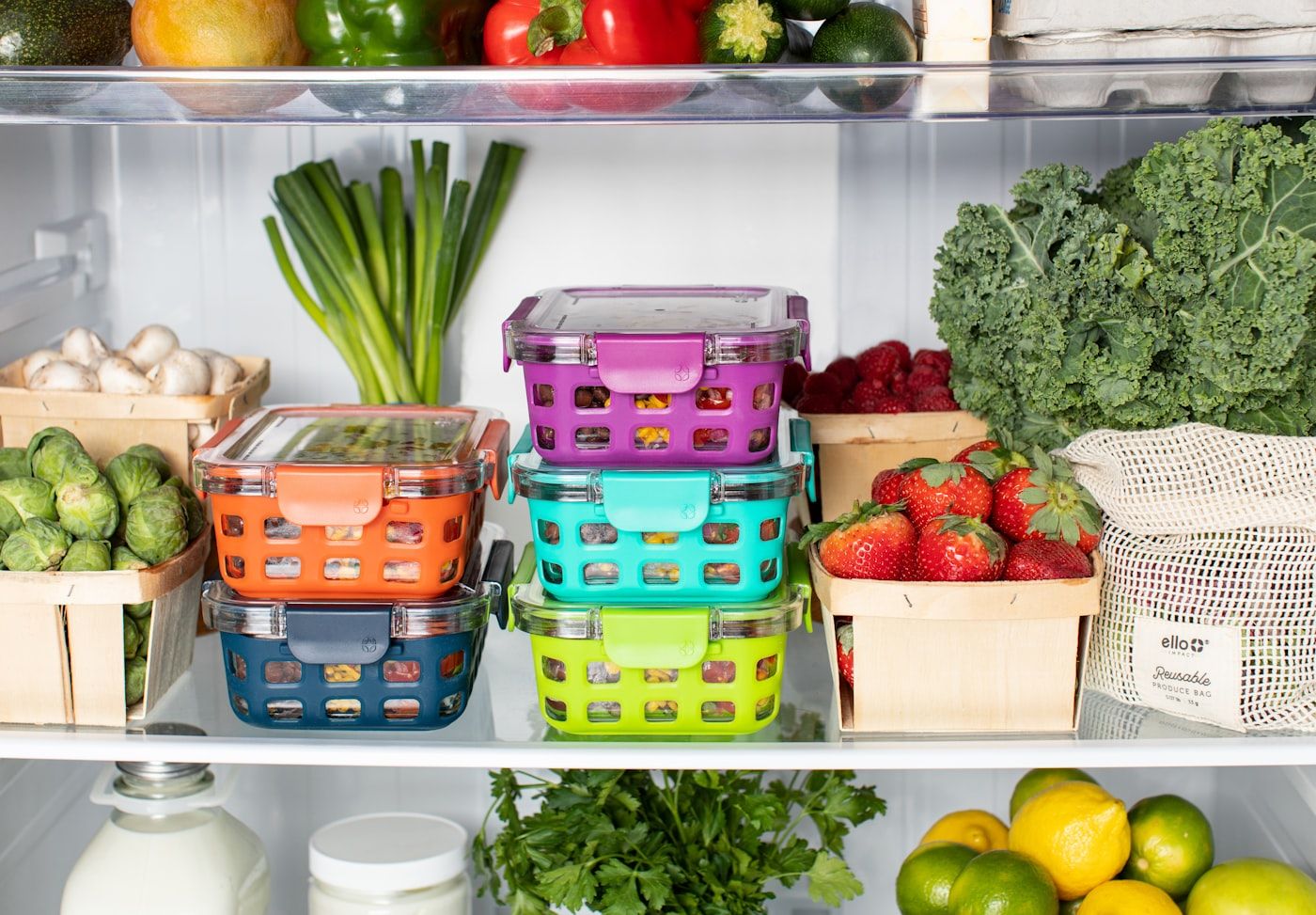
The practical answer is to treat your fridge like a shop you are running down, not a storeroom you are filling up. Before you write a shopping list, actually look at what is already there and plan the next two or three meals around using it first. Keep an eye on your own use by dates rather than relying on memory, and move anything close to its limit to the front of the shelf where you will see it. If a dish will not be eaten within a couple of days, freeze the leftovers that same night rather than giving them one more day in the fridge to decide their own fate.
The single most useful change you can make today is to shop more often in smaller amounts rather than doing one large weekly trip out of habit. Two smaller shops, one for fresh items and one top up midweek, keep your fridge closer to what you will genuinely eat and cut down on the guilty bag of wilted greens at the bottom of the crisper. Pair that with a freezer that is stocked in single portions rather than family blocks, and the whole system starts working with you instead of against you.
None of this requires a total overhaul, just a shift in how you read pack sizes and use your freezer. If you want a closer look at how your current shopping and eating pattern is working for you, and where small adjustments could make the week easier, you can work with me for a straightforward, practical look at your food set up.
Filed under Everyday nutrition · all articles
Full recipes, sample days and the weekly letter, straight to your inbox. No spam, unsubscribe anytime.