By Nicola (Nikki) Edwards-Kalaf · 2 September 2026
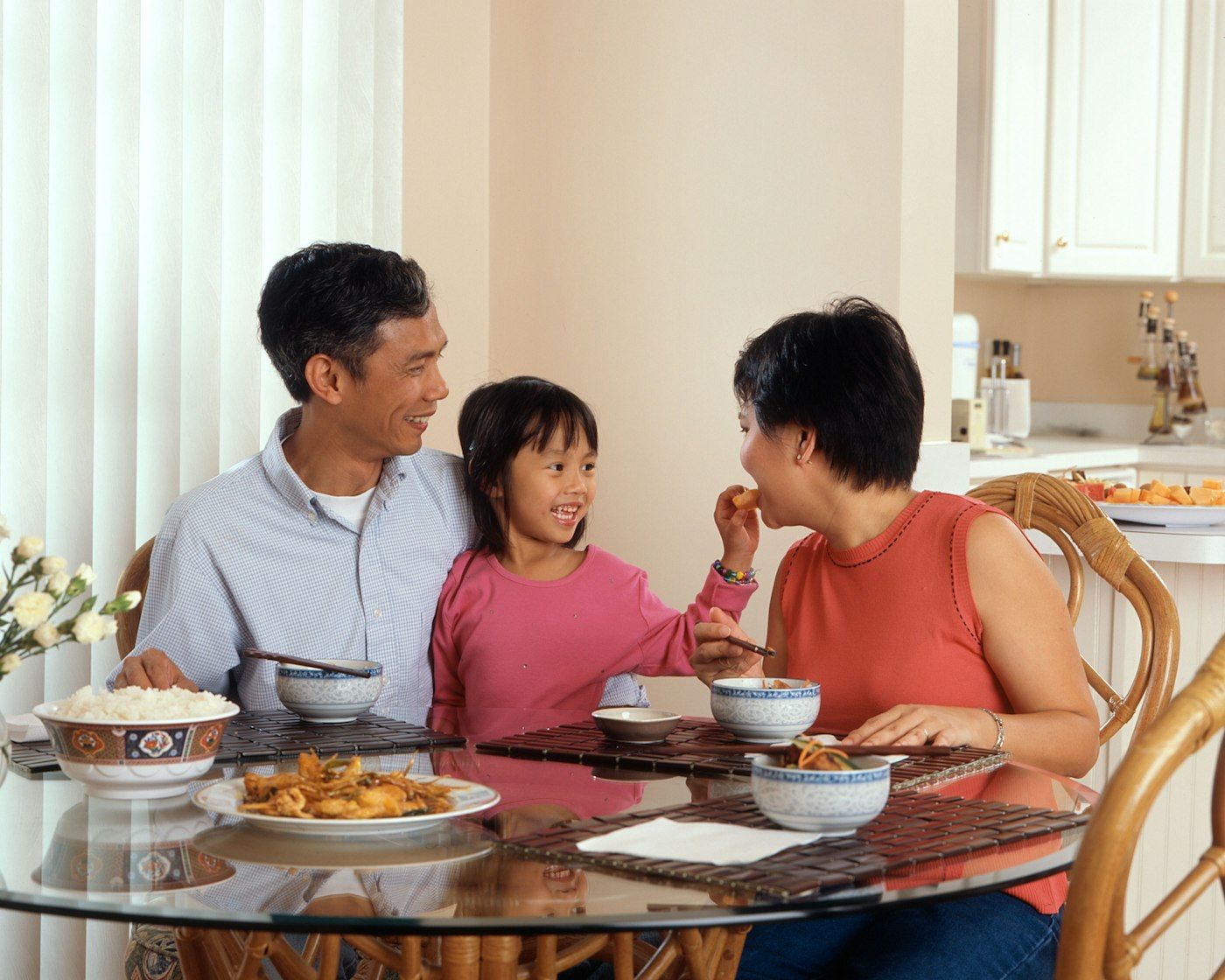
You do not need three meals to feed three appetites. You need one base that everyone eats from, plus two or three small additions that let each person adjust the plate to suit them. An adult wanting a proper serve of vegetables, a teenager who will eat anything as long as there is enough of it, and a small child who wants to see food that looks familiar can all sit down to the same pot, pan or tray. The trick is building the meal so the differences happen at the table, not back in the kitchen.
This is a different problem to batch cooking. Batch cooking is about one effort feeding several days. This is about one effort feeding several people on the same night, without you becoming a short order cook standing at the stove taking individual requests.
Nobody sets out to run a restaurant kitchen for one family. It happens gradually. A child refuses something once, a separate version gets made to avoid a scene, and within a few weeks that separate version is simply what happens every Tuesday. A teenager wants more volume and less of something green, so a second pan appears. An adult trying to eat well adds their own vegetables on the side because the main meal was built around what the kids would accept. Three people, three pots, one exhausted cook.
Time is the real constraint here, and it is worth naming plainly. According to the Australian Bureau of Statistics 2024 Time Use Survey, women spend an average of 69.1 minutes a day on cooking and food and drink preparation, compared with 53.8 minutes a day for men. That is time spent once, for one meal, not multiplied across separate versions for separate people. Every extra pot is extra minutes taken from an already tight day, and it is minutes that do not show up anywhere except in how tired the household is by eight o'clock.
The other driver is household politics rather than nutrition. Once a household has three separate menus running, changing that back feels like a confrontation nobody has the energy for on a Wednesday. The fix is not a rule about what people must eat. It is a structure that makes one meal naturally flexible enough that nobody needs a separate one.
A flexible base has three parts: a cooked centre that is the same for everyone, a starchy or grain element that can be adjusted in amount, and two or three extras placed on the table rather than mixed through the dish. Think of a tray of roasted chicken thighs with rice and a bowl of steamed vegetables served separately, rather than a casserole where everything is already combined. The teenager loads up on rice and chicken. The small child gets a small serve of each, arranged rather than mixed, with the vegetables they will actually eat placed where they can see them. The adult adds a bigger vegetable serve and skips extra rice.
Taco style dinners, rice bowls, pasta with sauce served on the side rather than tossed through, and a roast with components kept separate all work on the same principle. Nobody is served a different meal. Everyone is served the same ingredients, arranged so each person can take more of what suits them and less of what does not.
This approach also lines up with the actual guidance. The Australian Dietary Guidelines, through the NHMRC's Eat for Health resource, note that it is not necessary to eat from each of the five food groups at every single meal. That takes the pressure off getting a perfectly balanced plate onto the table every night for every person. Balance happens across the day and the week, not on one plate at one sitting, which means a meal that looks slightly different from mouth to mouth around the table is not a failure of anything.
An Australian study of families with young children, published in BMC Public Health, found that the evening meal was the meal most likely to be eaten together, with 77 percent of families sharing it at least five nights a week. That is the number worth protecting. Getting everyone to the same table at the same time does more for the shape of a household's eating than getting everyone to eat an identical plate.
This is useful because it changes what you are actually managing. You are not managing three different nutritional requirements that must each be individually met at dinner. You are managing one gathering, most nights of the week, where the food happens to flex slightly at the edges. If a family member has been given specific dietary directions by a health professional, that always sits above any general household routine, and is worth working through individually rather than guessing at.
None of this requires a kitchen overhaul. Tonight, try serving one component of dinner separately rather than mixed in, whether that is vegetables in their own bowl or sauce on the side instead of through the pasta, and watch how much easier it is for three different appetites to serve themselves from the same meal. If working out what a flexible week of family meals actually looks like in your own kitchen would help, that is exactly the kind of practical planning covered when you work with Nikki.
Filed under Everyday nutrition · all articles
Full recipes, sample days and the weekly letter, straight to your inbox. No spam, unsubscribe anytime.