By Nicola (Nikki) Edwards-Kalaf · 2 November 2026
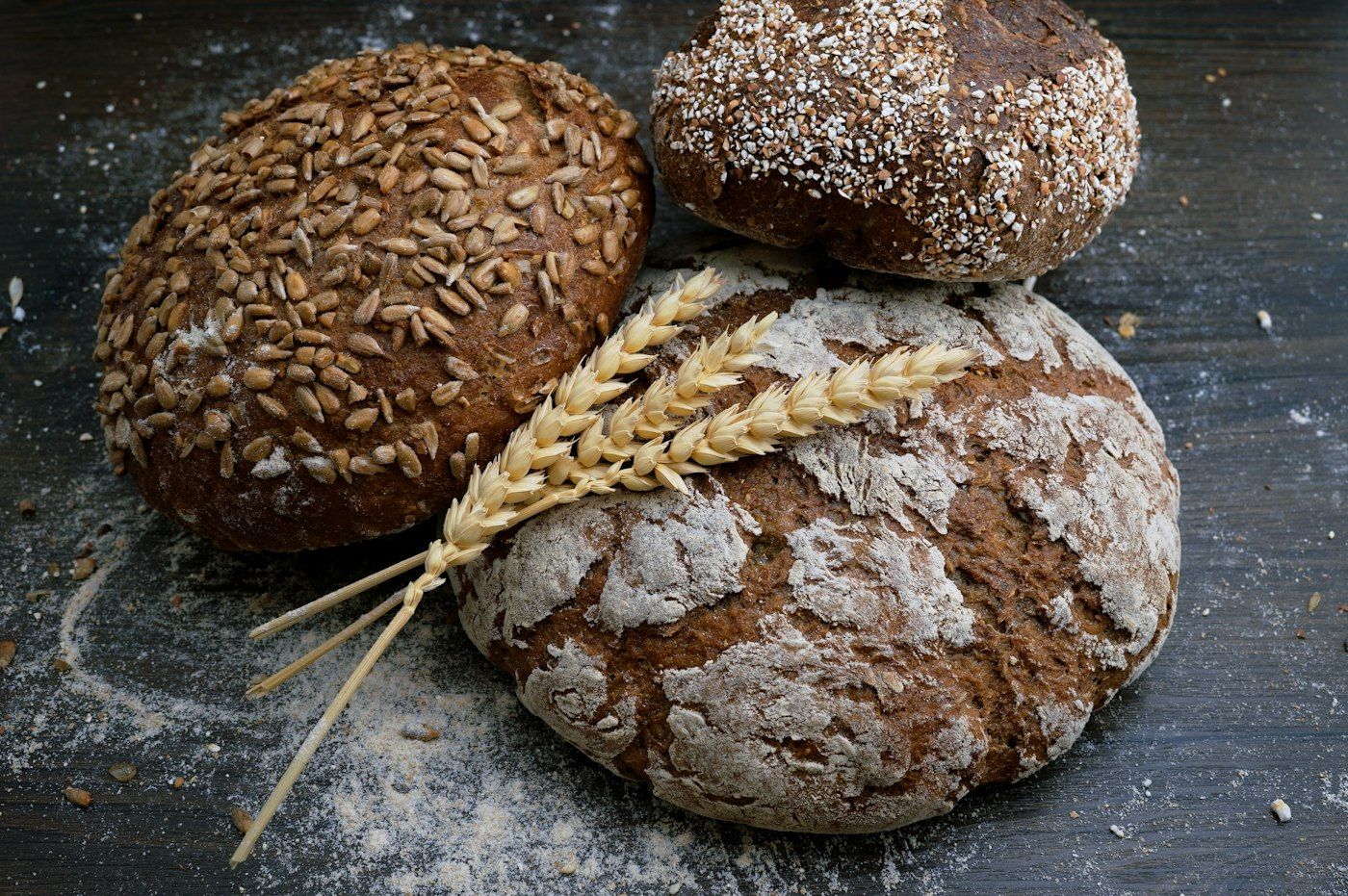
Fibre is the part of an ordinary Australian diet that almost nobody thinks about until a GP or a dietitian brings it up. It is not glamorous, it does not get a hashtag, and it rarely features in a conversation about "wellness". But it sits quietly underneath almost every food choice you make in a normal week, and most of us are getting less of it than we realise, not because we are doing anything wrong, but because fibre is easy to overlook in a kitchen built around convenience. You do not need a new diet to get more of it. You mostly need to notice where it already is.
In plain terms, fibre is the part of plant foods that your body cannot fully break down. It turns up in the skins of fruit, the husks of grains, the structure of vegetables and the bulk of legumes. Because it moves through the digestive system largely intact, it does a few jobs that other nutrients cannot, including adding bulk, slowing digestion down and feeding the bacteria that live in your gut.
There are two broad types, soluble and insoluble, and most whole foods contain a mix of both rather than being neatly one or the other. You do not need to sort your pantry by type to benefit from it. The practical takeaway is simpler: fibre mostly comes from foods in forms close to how they grew, and it mostly disappears when those foods are refined, peeled, juiced or processed into something smoother and quicker to eat.
Most Australian kitchens have more fibre sitting in the cupboard than people give them credit for. Rolled oats, tinned legumes, wholemeal or wholegrain bread, brown rice, frozen vegetables and canned corn or beans all carry a reasonable amount of fibre, often more than fresher looking alternatives that have been peeled or processed. A tin of lentils or chickpeas sitting at the back of the pantry is one of the simplest fibre sources in the house, and it needs nothing more than draining and rinsing to go into a soup, a curry or a salad.
The gap tends to show up around the edges of a normal day rather than at the main meal. Fruit juice instead of whole fruit, white bread instead of a grainy loaf, or a peeled piece of fruit instead of one eaten with the skin on, all quietly remove fibre without changing how full or satisfied a meal feels in the moment. None of this is about declaring any one of those choices wrong. It is simply useful to know that the version of a food closer to its whole form is usually the one carrying more fibre with it.
This matters more than it might seem, because recent Australian Bureau of Statistics data from the 2023 National Nutrition and Physical Activity Survey found that most grains and cereals consumed by Australians, 76.1 per cent, came from refined or low fibre varieties, with the remaining 23.9 per cent from wholegrain or high fibre varieties, even though the Australian Dietary Guidelines recommend getting at least two thirds of grain and cereal foods from wholegrain or high fibre varieties. In other words, the gap is not really about effort or willpower. It is about which version of an everyday food tends to end up in the trolley.
The honest answer is that fibre is easy to lose track of because it rarely shows up as a single dramatic food choice. It disappears in small decisions made quickly: the smoother bread, the peeled apple, the white rice because it cooks faster on a weeknight. None of these decisions feel significant at the time, which is exactly why the shortfall builds up without anyone intending it.
The scale of the gap has been tracked nationally. Analysis of the same 2023 survey found that on average, Australian women are eating 19.2 grams of fibre a day and Australian men are eating 22.3 grams a day, sitting below the amounts generally recommended for adults by the National Health and Medical Research Council. This is not a reason for alarm or a call to overhaul your week. It simply explains why fibre is worth a bit of deliberate attention rather than being left to chance, in the same way you might glance at a pantry and notice it is running low on something useful.
The most useful changes tend to be the boring ones that fit into a week you are already living, rather than a new system to maintain. The first is a swap rather than an addition: next time the bread, rice or pasta runs out, buy the wholemeal or wholegrain version instead of the white one. It costs nothing extra in time and barely changes how a meal tastes once it is dressed, sauced or toasted.
The second is to treat tinned legumes as a pantry staple rather than an occasional extra. Adding a drained tin of lentils, chickpeas or kidney beans to a bolognese, soup or curry you were already making adds fibre without adding a new step to the recipe. The third is leaving skins on where you reasonably can, an apple eaten whole rather than peeled, a potato roasted with the jacket on. These are not rules to follow forever, just small habits worth building because they ask nothing extra of a normal Tuesday night.
If you want today's one concrete action, it is this: look at what is already in your pantry and swap one refined grain product for its wholegrain equivalent on your next shop. That single change, repeated without thinking about it, does more over a month than any short burst of effort.
Fibre is a good example of the kind of everyday nutrition question that does not need a grand plan, just a slightly better informed look at what is already on the shelf. If this is the sort of practical, evidence based thinking you find useful, there is more of it over on the Nudge Nutrition blog, where everyday food questions get answered in plain terms, one at a time.
Filed under Everyday nutrition · all articles
Full recipes, sample days and the weekly letter, straight to your inbox. No spam, unsubscribe anytime.