By Nicola (Nikki) Edwards-Kalaf · 18 September 2026
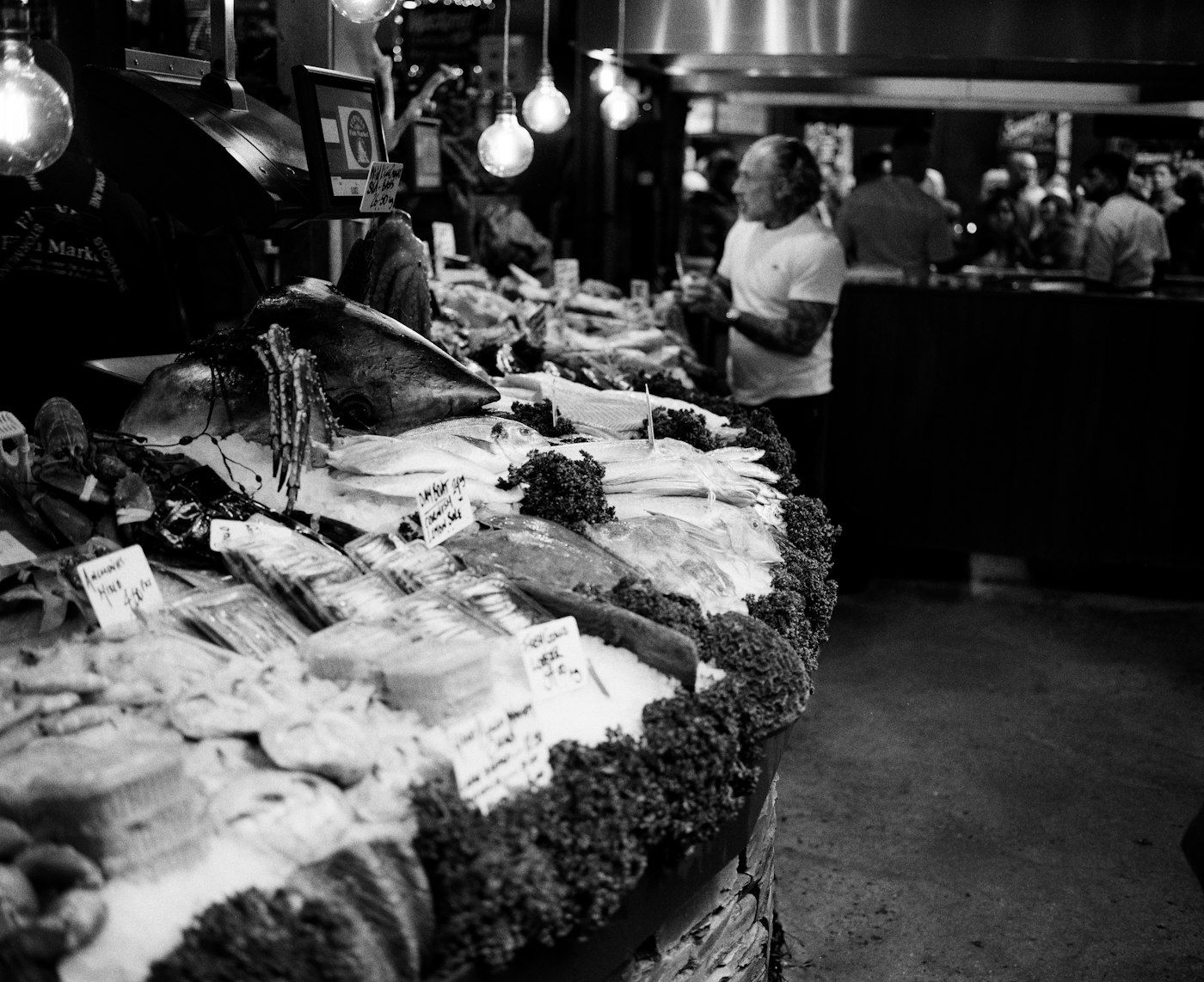
Most of us trust the fish and chip shop with fish long before we trust our own stove. We will happily order barramundi in butter sauce or a piece of flake wrapped in paper, but hand a raw fillet to the same person at home and it suddenly feels like a technical exercise, something that can go wrong in a way a chop or a chicken thigh never quite does. That gap between confidence out and confidence in is bigger than it needs to be. Fish is genuinely one of the quicker things to cook well on a weeknight. It just needs three reliable methods and a clearer idea of what to ask for at the counter.
This isn't just a feeling. National data backs up the sense that fish at home is the exception rather than the rule. In 2023, only 6.8% of people aged 2 years and over consumed at least one serve of fish and seafood from non discretionary sources on the day before their interview. That is a small slice of the population on any given day, especially when you consider how much seafood Australians report loving in surveys and how often we order it when someone else is cooking.
At the same time, we are clearly still eating a fair amount of it in total. About 334 kilotonnes of seafood was consumed in Australia in 2019 to 2020, which equated to about 12.4 kilograms per person. Put those two figures together and a pattern appears. A lot of that seafood is being eaten out, at the shop, at a restaurant, at a barbecue someone else is running. The stove at home is where the confidence drops away. That is worth fixing, because fish is one of the fastest proteins in the kitchen once you stop treating it like it might bite back.
The first move is the parcel. Take a fillet of something firm and widely available, flathead, snapper, salmon or blue eye trevalla all work, sit it on a sheet of baking paper with a splash of oil, a squeeze of lemon and whatever herbs are in the fridge, then fold the paper into a loose parcel and bake at a moderate heat for around fifteen minutes depending on thickness. The parcel keeps the fish moist and there is no guesswork about turning it, because you don't need to.
The second move is the pan. A fillet with the skin left on, patted properly dry, placed skin side down in a hot pan with a little oil, and left alone for most of the cooking time. Most people ruin fish in a pan by moving it around too much or flipping it early. Give it four or five minutes on the skin side without touching it, then a minute on the other side, and it is done. The skin crisps and holds the fillet together, which also makes it far easier to serve.
The third move is the barbecue plate, which suits whiting, small whole fish or thicker cutlets. A hot flat plate, a little oil, and again the discipline of leaving it alone until it releases easily. If you are nervous about it sticking or falling apart, wrap it loosely in foil first and unwrap for the last couple of minutes to pick up some colour. None of these three methods needs a thermometer, a special pan or a recipe you have to read twice.
The fishmonger is there to do some of the thinking for you, and most people don't use them properly. Ask for the fillets to be skin on if you are pan frying, since the skin is doing real work for you there. Ask them to check for and remove pin bones, which takes them seconds with the right tweezers and saves you an awkward moment at the table. If you are buying more than one fillet, ask for pieces of similar thickness so they cook evenly together in the same pan or parcel.
It is also worth simply asking what came in that morning and what is good value right now, rather than walking in with a fixed species in mind. Counter staff will often point you toward something local and well priced that you hadn't considered, and there is no reason to feel loyal to salmon or barramundi if flathead or trevally is fresher and cheaper that week.
There is a persistent idea that frozen fish is a lesser version of fresh, something you settle for rather than choose. Industry research has actually challenged that. Frozen seafood overcomes smell and freshness issues that consumers have identified as barriers to eating more fish, and commissioned research has challenged the long held assumption that fresh seafood is of superior quality. Fish is often frozen at sea within hours of being caught, which in practical terms can mean it is fresher than a fillet that has sat on ice in transit for days before it reaches a counter.
Tinned fish deserves the same fair hearing. A tin of tuna, salmon or sardines is still fish, already cooked, ready to go straight into a sandwich, a pasta or a salad with no thawing and no risk of overcooking it. On a night when the idea of standing at a stove feels like one task too many, the tinned and frozen aisle is not where you go to lower your standards. It is where you go to still eat fish.
If this is the kind of practical, everyday food thinking that's useful to you, there is more of it waiting over on the Nudge Nutrition blog, covering the rest of the week's shopping and cooking without the fuss.
Filed under Real Australian food · all articles
Full recipes, sample days and the weekly letter, straight to your inbox. No spam, unsubscribe anytime.