By Nicola (Nikki) Edwards-Kalaf · 15 July 2026
Ask most business owners what wears them down about weeknight food and it's rarely the actual cooking. It's standing in front of an open fridge at 6pm, business brain still half switched on, trying to conjure a plan from nothing. That decision, repeated five or six nights a week, is where the energy leaks out.
Food and non alcoholic beverages are consistently one of the three biggest weekly costs for Australian households, behind housing and transport, according to the Australian Bureau of Statistics. In the ABS Household Expenditure Survey, the average household spent $237 a week on food and non alcoholic beverages, a figure that has only climbed since. That's a meaningful chunk of the weekly budget being spent on something that's decided fresh, from scratch, most nights of the week. It doesn't need to be.
The fix isn't a rigid meal plan with seven different dinners mapped to the calendar, that's its own kind of admin. It's a short, repeatable shopping list of staples that quietly turn into several different meals, so the big decision gets made once, at the shops, rather than nightly, standing at the pantry.
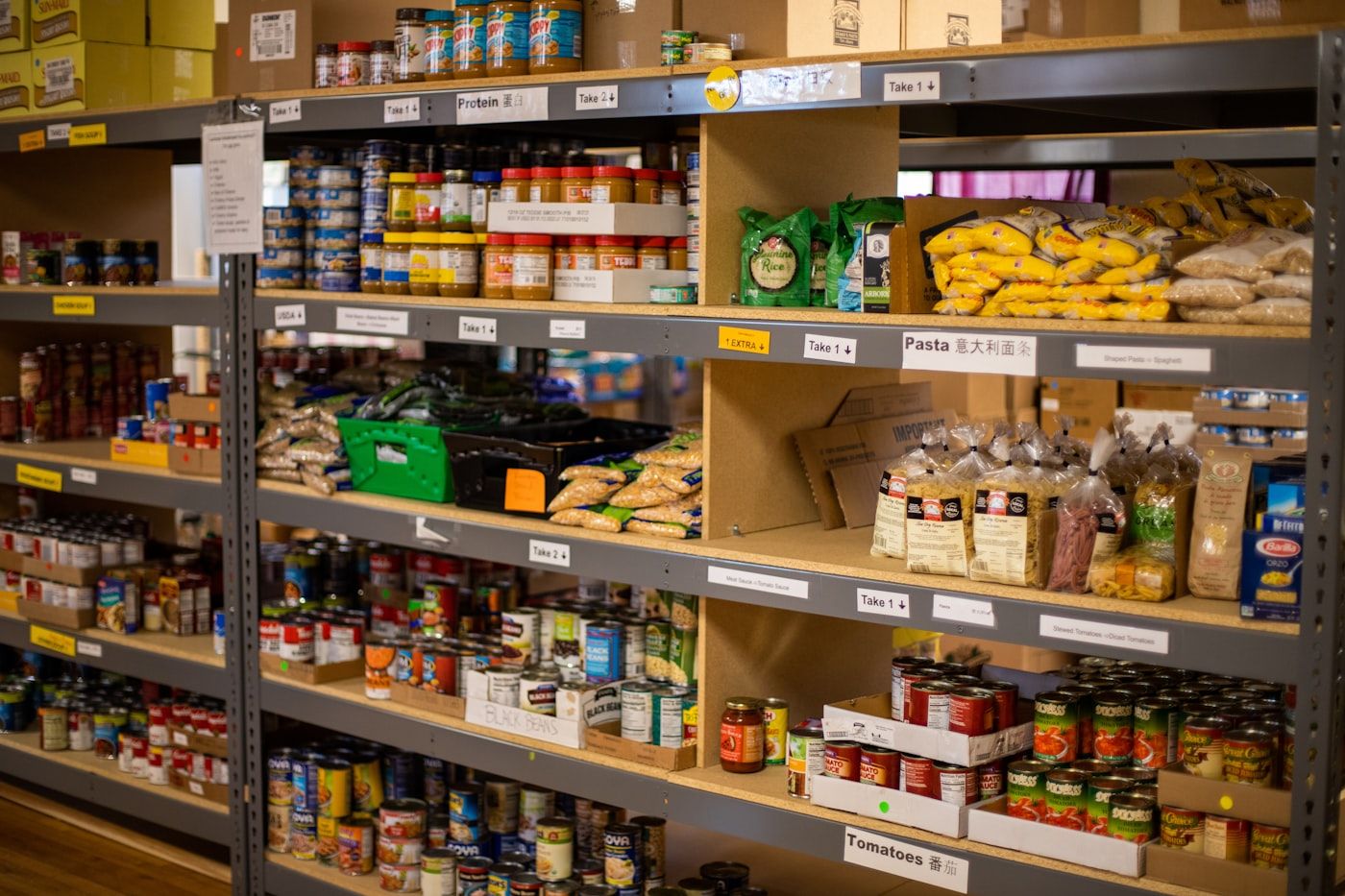
A genuinely useful shopping list isn't a list of dishes, it's a list of ingredients flexible enough to become several dishes. Think mince (beef, chicken or a lentil based alternative), a couple of tins of crushed tomatoes, a bag of frozen mixed vegetables, a dozen eggs, a kilo of rice, a packet of pasta, and a stack of tortillas. Add a tin or two of chickpeas or cannellini beans, a tub of natural yoghurt, and whatever fresh vegetables are cheap that week, often onions, carrots, and whatever's in season at Coles, Woolworths or your local greengrocer.
That single trolley becomes a spaghetti bolognese one night, tacos the next, a fried rice using the same mince and vegetables the night after, and a quick curry with the chickpeas and tinned tomatoes to close the week. The eggs cover breakfast or a fast dinner when nothing else appeals. None of this requires a new recipe search every night, it requires the same handful of building blocks, rotated.
The point isn't to eat the same thing every week forever. It's to stop treating each dinner as an independent decision. Once the staples are in the house, the only real choice left is which combination you feel like tonight, which takes seconds rather than the mental energy of starting from zero.
Before adding anything to the list, a two minute look in the fridge and pantry saves both money and food. Australian households throw out a substantial amount of edible food every year, much of it because something was bought, forgotten, and went off before it was used. A five minute list only works if it's built around what's already there, not stacked on top of it.
This is where the list earns its name. It doesn't need a spreadsheet or an app, a photo of the pantry shelf on your phone, or a running note titled "staples," is enough. Before you shop, glance at what's low rather than what's gone. If there's already a tin of tomatoes and a bag of rice at home, that's one less thing to buy and one more meal already half planned.
Frozen vegetables and frozen berries are worth calling out specifically here, they don't wilt in the crisper while the week gets away from you, and they slot into the same rotating meals without the pressure of using them by Wednesday or losing them.
A list that lives in your head gets rebuilt from memory every single week, which defeats the purpose. Write it once, on the back of an envelope, in the notes app, on a magnet pad on the fridge, and reuse it with small tweaks for what's in season or on special. Ten minutes spent doing this properly once will save far more than ten minutes every week for months afterward.
Swap ingredients with the seasons rather than reinventing the format: pumpkin and broccoli in winter, zucchini and tomatoes in summer, sitting alongside the same tins, rice, and mince that don't change. The list stays the five minute job; only the fresh produce moves.
If the idea of building a repeatable way of eating well feels harder in practice than it sounds, particularly around fitting real food in with a business that doesn't stick to office hours, that's exactly the kind of practical, individual planning covered when working one on one. A short list of staples is a solid start; tailoring it to your actual week, appetite, and goals is where it becomes something you can stick with rather than abandon by week three.
Tonight's task, before you do anything else: write down the eight or ten staples you buy most often, in whatever order they come to mind. That's the first draft of your five minute list, done.
Filed under Everyday nutrition · all articles
Full recipes, sample days and the weekly letter, straight to your inbox. No spam, unsubscribe anytime.