By Nicola (Nikki) Edwards-Kalaf · 3 September 2026
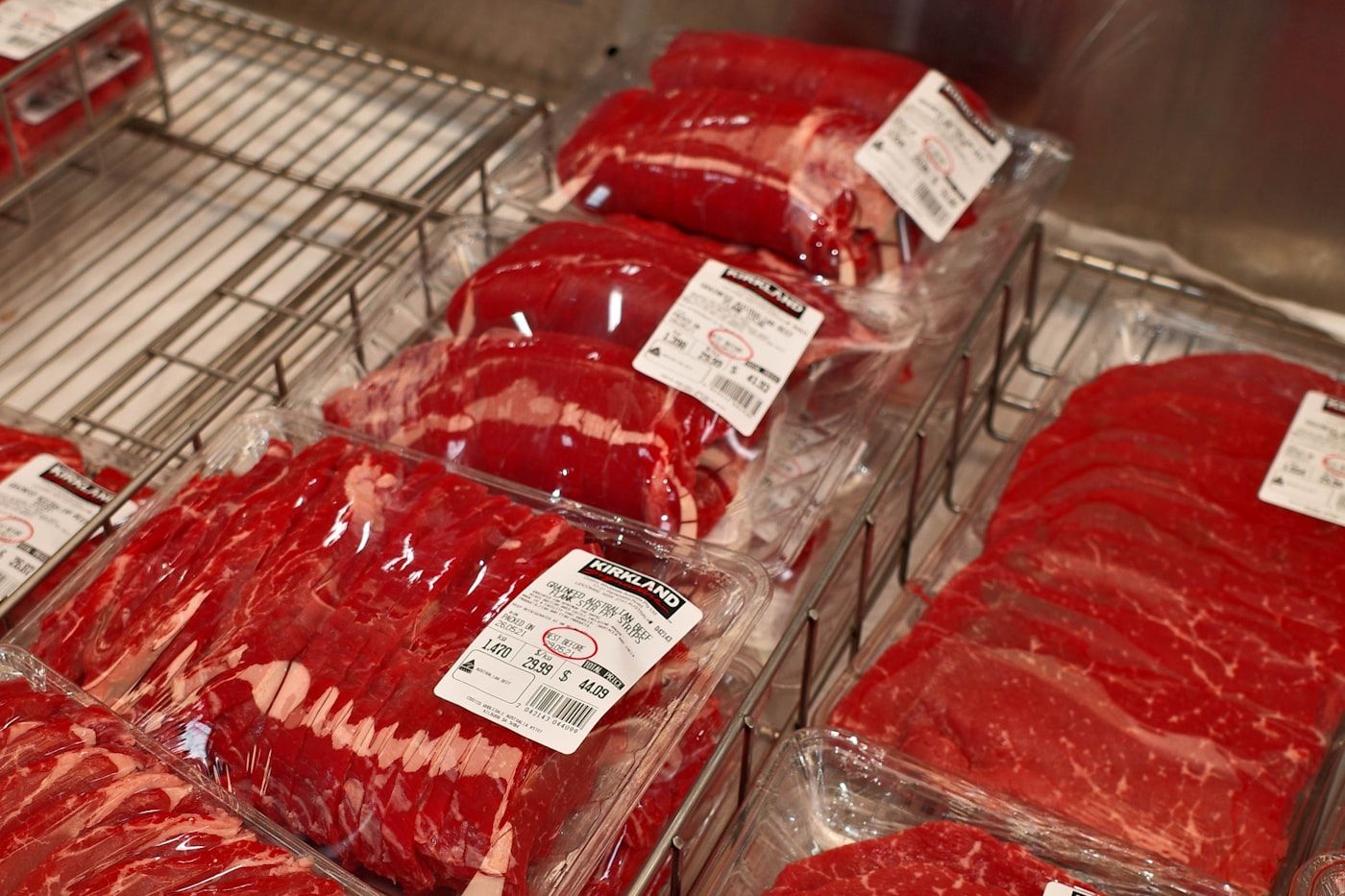
You walk in wanting something for Tuesday night and the glass case is full of cuts with names that mean nothing to you. Osso buco. Skirt. Scotch fillet. Gravy beef. The person behind the counter is waiting, there is a queue building behind you, and you end up asking for "just some mince, thanks" because it is the only word you are certain of.
Here is the thing worth knowing before you ever line up again. You do not need to know the name of a cut to buy the right one. Australian butchers name meat by where it comes from on the animal, not by what you are going to do with it, so the naming system and the cooking system are two different languages. Once you understand that gap, the counter stops being intimidating and starts being useful. This piece is about closing that gap so you can walk in, describe the meal, and walk out with the right parcel wrapped in paper.
Australian cuts are not the same as the American ones you might see in a recipe from overseas, and that trips people up constantly. There is no "chuck roast" versus "flat iron steak" distinction here in the way a US butcher would draw it. Instead, Australian naming tends to follow the primal cut, meaning the larger section of the animal it was taken from, plus a description of the muscle.
For beef, the cuts that turn up most often in a home kitchen are chuck and blade, both from the shoulder and full of connective tissue that breaks down beautifully with long, slow cooking. Gravy beef and osso buco come from the leg and shin and are built for braises and soups. At the other end of the spectrum sit the cuts from the back of the animal that barely move: scotch fillet, eye fillet, rump and sirloin, all suited to quick, high heat cooking because the muscle fibre is naturally tender. Skirt and flank sit in between, thin and full of flavour, best sliced thinly against the grain after a short, hot cook.
Lamb follows a similar shape. Shoulder and forequarter chops are the slow cooking cuts, cheap in effort even if you never think about price. Backstrap and loin chops are the quick ones. Pork has its own quirks, with scotch fillet doing double duty as a name in both beef and pork, and pork belly sitting apart as a cut that rewards patience more than speed.
If none of that has stuck, that is fine, because there is a simpler way in. Australian butchers are used to customers who do not know the terminology, and the fastest way to get what you need is to describe the meal rather than the meat.
Tell the person behind the counter you are after something for a slow cooker on a work day and they will hand you chuck, blade or gravy beef without you ever saying the word. Say you want something for a quick stir fry or a fifteen minute dinner and they will point you toward strips already cut from rump or skirt. Mention a roast for a Sunday with people coming over and they will talk you through a piece of topside or silverside sized for the number of plates you need. This is not a favour they are doing you, it is the actual job, and most independent butchers would rather have that conversation than watch you leave with the wrong thing.
It helps to know a handful of extra words that describe treatment rather than origin. Diced means already cut into cubes for a casserole. Crumbed means coated and ready for the pan. Butterflied means opened out flat so it cooks faster and more evenly, useful for a barbecue. None of these require you to know a single primal cut name, and dropping one into the conversation will speed things along no end.
Next time you are at the counter, skip the guessing altogether and open with the meal instead of the meat. Say something like "I need dinner for four, about forty minutes of cooking, nothing fancy" and let the person behind the glass do the translating. It works because it is their daily language, and it means the cut you walk out with is already matched to the time and equipment you actually have on a Tuesday.
Australians are serious about this food. The red meat industry body Meat & Livestock Australia reports that beef consumption averaged 22.4kg and sheepmeat 7kg per person in 2024, well above the global averages of 6.0kg for beef and 1.4kg for sheepmeat, and 92% of Australian households purchased beef and 72% bought lamb in the same period. That much buying happens across roughly 3,000 independent butcher shops around the country, according to the Australian Meat Industry Council, which is a lot of counters and a lot of chances to ask a straightforward question and get a straightforward answer.
Knowing the names is a nice bonus, but knowing how to ask is the actual skill, and it is one you can use the very next time you shop. If you want more of this kind of practical, no fuss reading about cooking and eating the Australian way, there is plenty more on the Nudge Nutrition blog, covering everything from seasonal produce to the cheaper cuts that never get their due.
Filed under Real Australian food · all articles
Full recipes, sample days and the weekly letter, straight to your inbox. No spam, unsubscribe anytime.