By Nicola (Nikki) Edwards-Kalaf · 28 June 2026
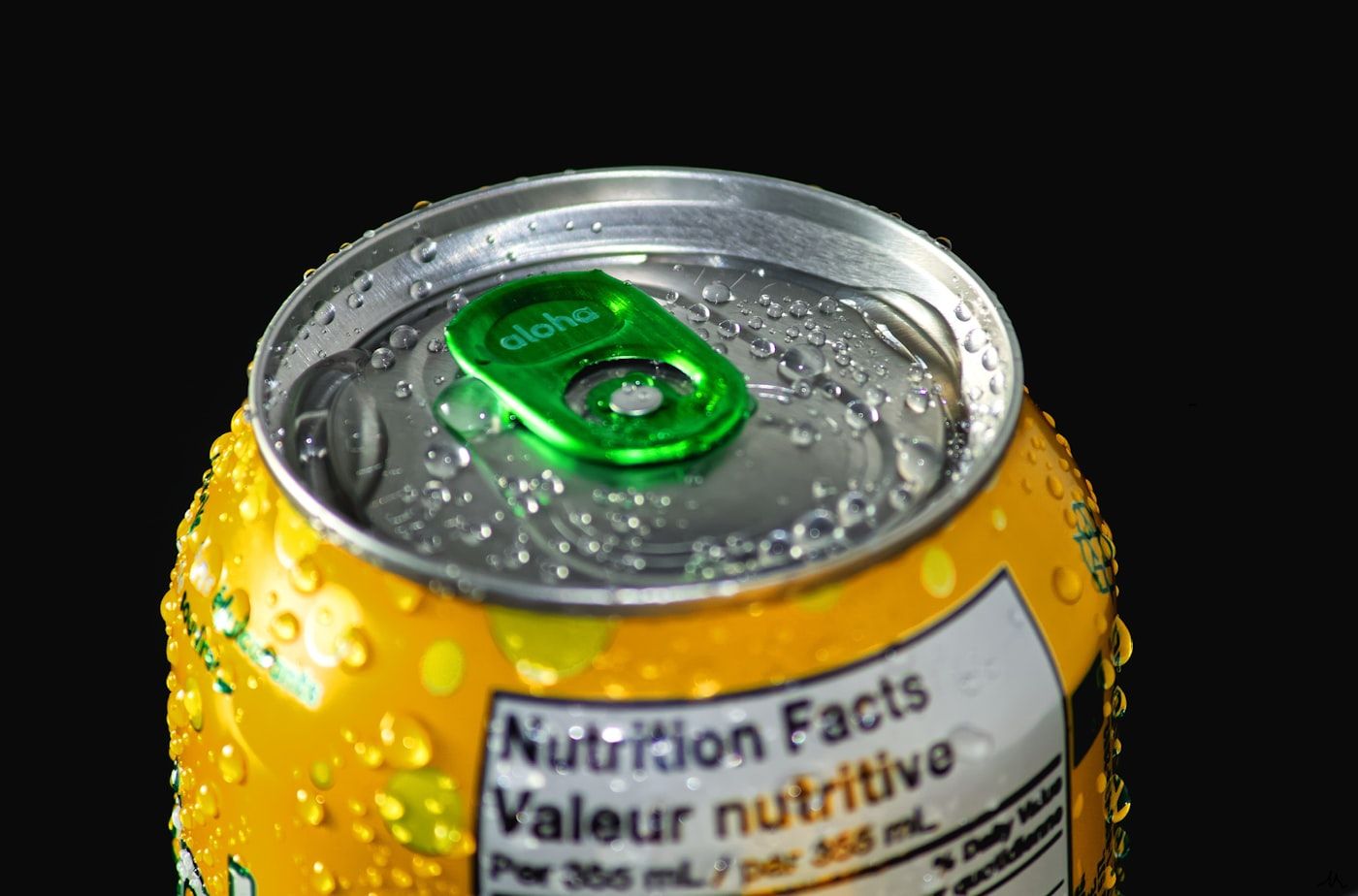
The front of a food packet is an advertisement. It is designed by a marketing team to make you stop, feel good and put the product in the trolley. Words like "natural", "lightly sweetened" or "source of protein" are not lies, exactly, but they are chosen for effect, not for accuracy. The back of the pack is a different document altogether, it is regulated information, and it is where the actual answers live. If you are time poor and just want to make a reasonable call in the supermarket aisle, you do not need to become a label reading expert. You need to know which three things on the back to check, and permission to ignore the rest.
This matters more than it should, because the front of pack system Australia already has isn't doing the job consistently. Research from Cancer Council Australia and The George Institute found that nearly three quarters (70%) say they usually read food labels, about 65% of those surveyed find current labels too confusing to navigate. On top of that, the voluntary Health Star Rating scheme has been used on just 37% of food products, despite a 2025 target set by the Australian Government that Health Star Ratings should appear on 70% of products. In plain terms: the star rating you might be relying on often simply isn't there, and even when it is, most people don't fully trust it. That's a good reason to build your own quick checklist rather than wait for the front of the pack to sort it out for you.
Skip straight to the nutrition information panel and look at three lines: the serving size, the sugars figure, and the sodium figure. Everything else on the panel is useful in specific situations, but these three answer the questions that actually change a buying decision for most households.
Start with serving size, because it is the quiet trick behind almost every "healthy looking" number on a pack. A product can look impressively low in kilojoules, sugar or fat per serve, but if the stated serving size is unrealistically small, half the container, a third of the bag, the numbers on the front don't reflect what most people actually eat in one sitting. Always check the serving size first, then look at the per 100g column next to it, which lets you compare the same product against itself honestly and against other foods on a level playing field, regardless of pack size.
Next, look at sugars, and specifically total sugars per 100g. As a rough anchor, anything under 5g of sugar per 100g is considered low, and above 15g is considered high, useful shorthand for products like cereals, sauces, muesli bars and yoghurt where "healthy" marketing and sugar content often don't match. This is worth caring about: Australian Bureau of Statistics data on sweetened beverages shows one quarter (25.4%) of all free sugars were consumed from sweetened beverages in 2023, and that contribution doesn't fall evenly across the population, among adults, the contribution to free sugars intake decreased with age, from 35.1% for people aged 18 to 29 years to 14.0% for people aged over 75 years. Younger adults and families with teenagers are the ones most likely to be caught out by sugary drinks and snacks that read as innocent on the front of the pack.
Finally, sodium. It hides in places people don't expect, bread, sauces, stock, processed meats and packaged meals, and the front of the pack almost never flags it, because "low sodium" isn't a selling point the way "high protein" is. As a guide, under 120mg sodium per 100g is low and over 600mg is high. If you only ever check one thing on packaged bread, simmer sauces or stock cubes, make it this line.
The ingredients list is worth a glance but not a forensic read. For general shopping, you don't need to memorise E numbers or interrogate every additive, what matters more is roughly matching the ingredients list to what you'd expect to find if you made the product yourself. If sugar (in any of its many names) appears in the first three ingredients, that tells you more than any front of pack claim will.
Health claims and buzzwords on the front, "wholesome", "premium", "made with real fruit", are marketing copy, not nutrition information, and Australian food law allows plenty of room for wording like this even on products that wouldn't score well on the back of pack numbers. The same goes for "diet" or "light" versions of foods; the honest comparison is always the per 100g sugar and sodium lines, not the word on the box. Country of origin labelling is worth noting if that matters to you personally, but it tells you nothing about nutrition, so don't let it substitute for actually checking the panel.
Pick one packaged food already in your pantry, bread, breakfast cereal, a pasta sauce or a muesli bar, and check its serving size against what you'd actually eat, then look at the sugar and sodium per 100g. Do this once, deliberately, and you'll start doing it automatically at the shops within a couple of weeks. That single habit, repeated across a handful of staple purchases, does more for a household's everyday eating than any amount of front of pack marketing will ever tell you.
Label literacy isn't about perfection or memorising rules for every product you'll ever buy, it's about knowing where to look and not wasting energy on the rest. If you want more practical, no nonsense guidance like this on everyday food decisions, the Nudge Nutrition blog covers this kind of everyday nutrition topic regularly, with the same aim: less noise, more useful information you can actually act on.
Filed under Everyday nutrition · all articles
Full recipes, sample days and the weekly letter, straight to your inbox. No spam, unsubscribe anytime.