By Nicola (Nikki) Edwards-Kalaf · 24 July 2026
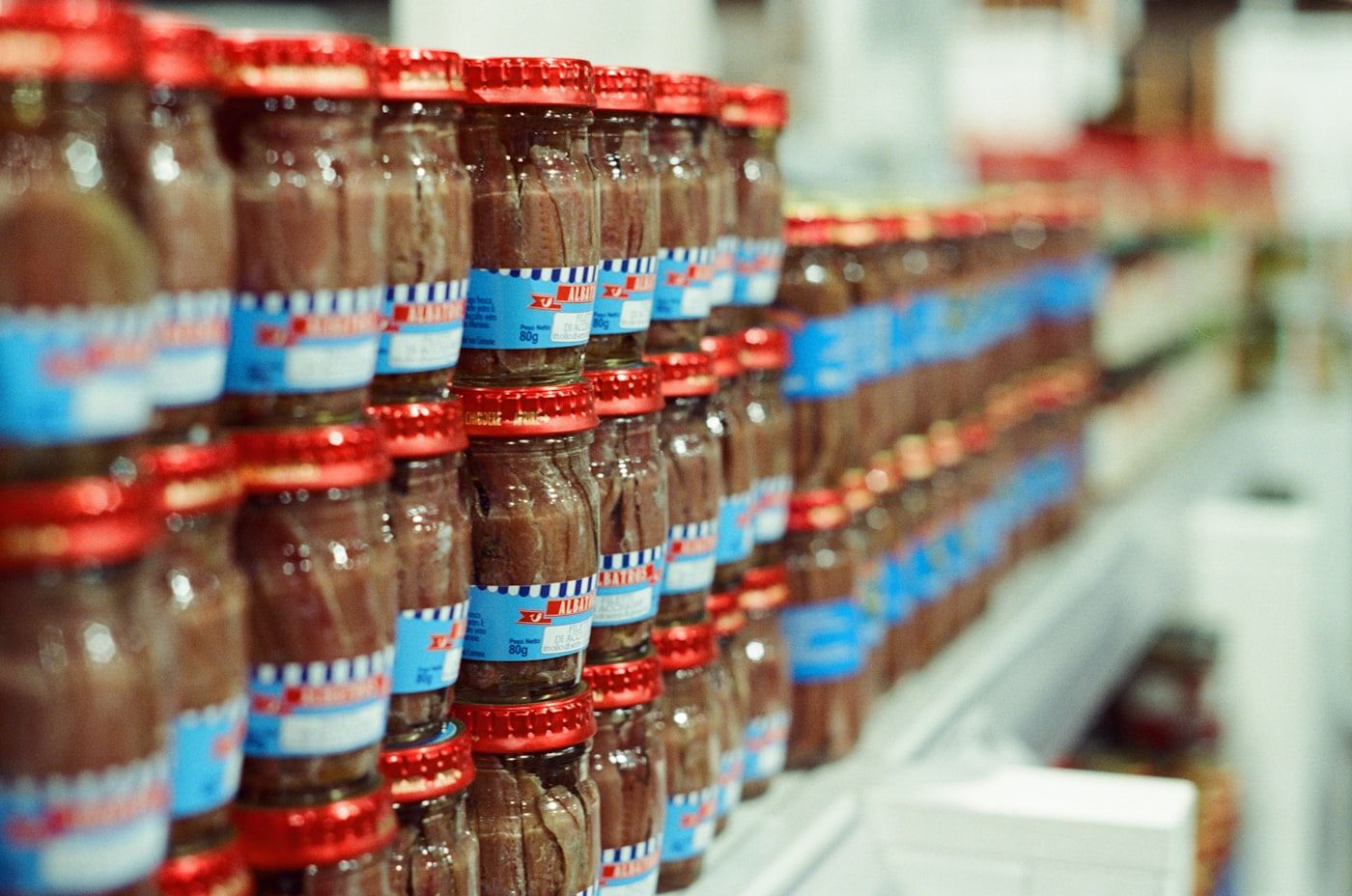
There is a quiet assumption that runs through a lot of Australian kitchens and a lot of business owners' weekly shop: fresh is the real food and everything in the tinned and frozen aisle is what you buy when you have given up. That assumption is costing people vegetables, protein and money. The Australian Dietary Guidelines are blunt about this and worth repeating here because so few people know it: vegetables can be fresh, frozen, canned or dried, and all of them count toward your daily target. There is no asterisk for the ones that come in a tin.
This matters more than it sounds. According to the Australian Bureau of Statistics, in 2023 fewer than one in twenty adults consumed the minimum recommended serves of vegetables, legumes and beans on a usual basis, with only 4.8 percent of adults meeting the target. That gap is not closing because fresh produce is inconvenient to store, quick to spoil and, as anyone doing the shop lately has noticed, expensive when the weather turns. The tinned and frozen aisle exists to solve exactly that problem, and it is worth treating it that way rather than as a fallback.
Frozen vegetables are picked and snap frozen close to peak ripeness, which means the nutrient loss that happens to fresh produce sitting in a truck, a warehouse and then your crisper drawer for a week largely does not happen to the frozen version. A bag of frozen peas or spinach in the freezer is, nutritionally, often doing more work than the wilting bunch at the back of the fridge. The Guidelines specifically list frozen or canned vegetables as valid ways to hit a standard serve, alongside fresh options, so swapping half your vegetable shop to frozen is not a downgrade, it is a hedge against waste.
Tinned legumes deserve the same respect. Chickpeas, lentils, kidney beans and cannellini beans in a tin are already cooked, already stable on a shelf for a year or more, and already counted by the Guidelines as part of both the vegetable group and the meat and alternatives group depending on how you use them. For a business owner with fifteen minutes at the end of a long day, a tin of lentils stirred through a bolognese or a curry is doing the same nutritional job as soaking and cooking dried beans from scratch, minus the forward planning most of us do not have the headspace for.
Tinned fish sits in the same category. Salmon, tuna and sardines packed in a tin are a genuinely useful, shelf stable source of protein that does not need to be used by Thursday or it goes in the bin. If you are pregnant or managing a specific health condition, get individual advice on how much and which type of fish suits you, since recommendations vary by fish type and by person. For everyone else, a tin in the cupboard is a legitimate backup meal, not a lesser one.
Cost is where the tinned and frozen aisle quietly wins outright, and the last two years of price data back this up. The Australian Bureau of Statistics reported that fruit and vegetable prices rose 4.0 percent in the twelve months to December 2025, with vegetable prices up 3.8 percent driven by weather related shortages, including extreme rain in Queensland pushing up prices for cucumbers, zucchini and capsicums. Fresh produce prices move with weather, transport and season in a way that a tin of tomatoes or a bag of frozen corn simply does not. Stocking some of your vegetable and protein needs from the shelf stable aisle is one practical way to stop your weekly grocery bill swinging with the last flood or heatwave.
None of this is a blank cheque for every product in the aisle. Tinned vegetables and legumes can carry a lot of added salt, and tinned fruit is often packed in syrup rather than juice or water, which changes what you are actually buying nutritionally. The fix takes ten seconds at the shelf: check the label for sodium per 100g, look for "no added salt" versions of tinned tomatoes and legumes, and rinse tinned beans under the tap before using them, which washes away a meaningful amount of the added sodium sitting in the liquid. For fruit, choose tins labelled "in natural juice" over syrup. Texture is the other honest tradeoff. Frozen and tinned vegetables are excellent cooked into a sauce, a soup or a bake, but they will never be the crunchy, raw option in a salad, so keep some fresh produce for that job specifically.
You do not need to overhaul the pantry this week. Pick one meal you are already making, a bolognese, a curry, a soup, and swap in a tin of no added salt lentils or a bag of frozen mixed vegetables in place of whatever fresh version you would normally buy and half use. Notice that nothing about the meal actually suffers. That one swap is the whole argument in miniature: the tinned and frozen aisle is not where you compromise, it is where you make the week more reliable. For more everyday, practical explainers like this one, have a browse through the rest of the Nudge Nutrition blog.
Filed under Real Australian food · all articles
Full recipes, sample days and the weekly letter, straight to your inbox. No spam, unsubscribe anytime.