By Nicola (Nikki) Edwards-Kalaf · 22 November 2026
There is a particular kind of Queensland evening where the inside of the house is already warmer than you'd like, the sun is still high at six o'clock, and the thought of lighting the oven or standing over a pan feels like a genuinely unreasonable request. You are not imagining the heat. Brisbane's mean daily maximum over the summer of 2025 sat at 30.4 degrees, slightly above the long term average, and that is before you add a stovetop running for half an hour on top of it, according to the Bureau of Meteorology.
The good news is that dinner does not need a stove to be a proper meal. It needs a plan built around assembly rather than cooking: proteins that arrive ready, vegetables that need nothing more than a knife, and a bit of thought about what goes together. None of this is a step down from a cooked dinner. It is a different method for the same goal, which is a filling plate that gets everyone through to bedtime without anyone standing over a hot stove in a hot kitchen.
A stove and an oven do not just heat the food, they heat the room, and in a Queensland summer that heat has nowhere useful to go. Once you accept that cooking is optional on these nights rather than compulsory, dinner planning changes shape. Instead of asking what you will cook, the useful question becomes what you already have that is ready to eat, and what needs only cutting, mixing or warming through in a way that takes minutes rather than an oven cycle.
This is not about skipping a proper meal. A no stove dinner can carry just as much protein, fibre and vegetables as a cooked one, it is simply built from pieces rather than from a recipe with a method. That shift in thinking, from cooking to composing, is the whole trick of getting through a run of hot nights without either sweating over dinner or giving up and ordering in.
The easiest place to begin is the protein, because Australian supermarkets and butchers sell plenty of it fully cooked and ready to go straight onto a plate. Tinned tuna, salmon and sardines need nothing but a tin opener. A cooked chicken from the deli counter, pulled apart with your hands, does the work of a roast without the oven. Prawns from the seafood counter, already cooked and chilled, are a genuine Queensland summer shortcut rather than a treat reserved for Christmas.
A batch of boiled eggs made earlier in the week, kept in the fridge, turns into dinner in the time it takes to peel one. Sliced leftover roast meat from the weekend, hummus, a block of firm feta, or canned chickpeas and beans all do the same job. The point is to have at least one of these sitting in the fridge or pantry before the heat hits, so that on the night itself there is nothing left to cook, only to combine.
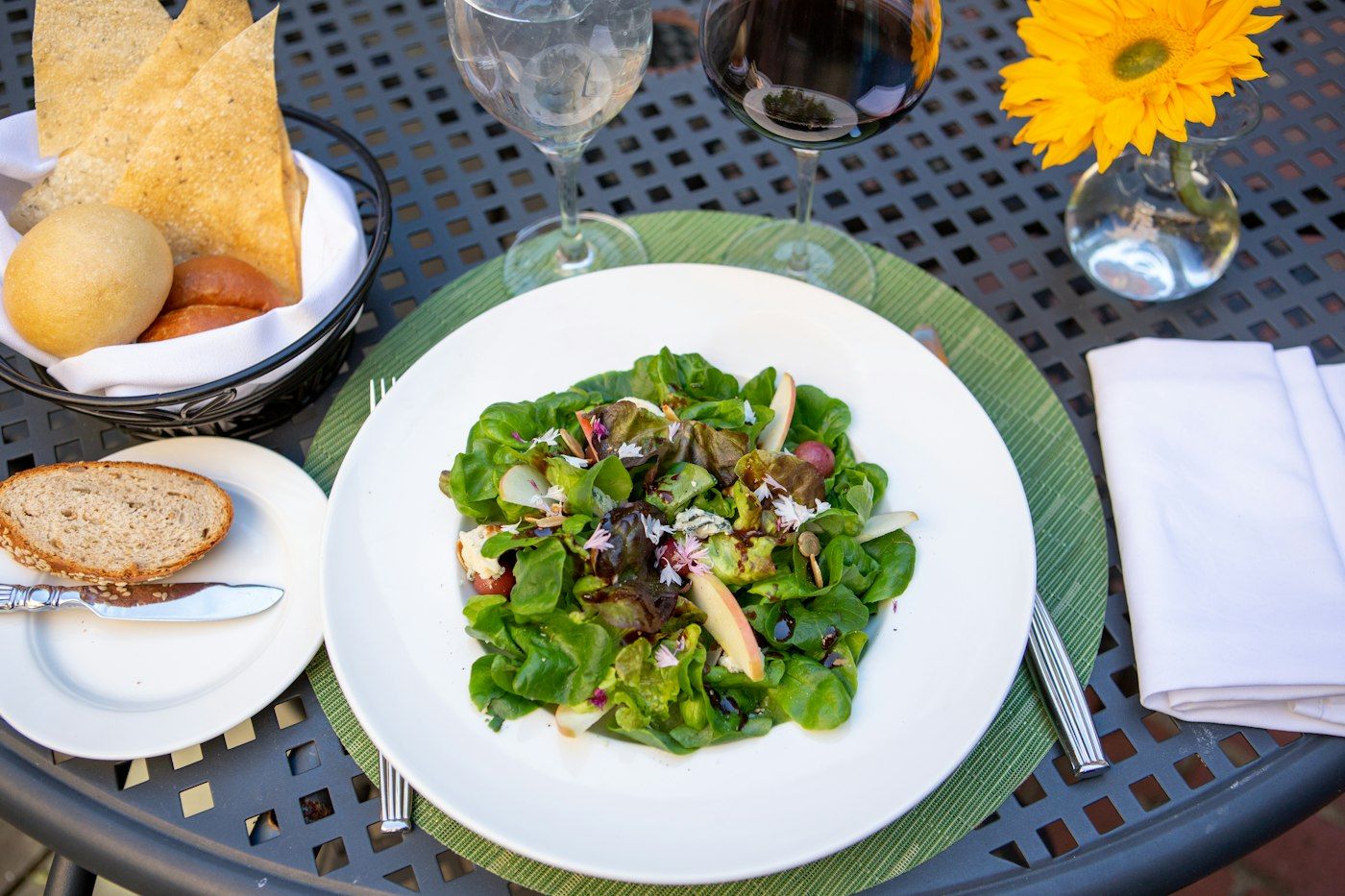
The word salad undersells what this can be. Built properly, with a base of cooked rice, quinoa or canned legumes, a salad becomes the main event rather than something sitting next to it. Toss that base through whatever is cheap and genuinely in season right now, tomatoes, corn cut straight off the cob, cucumber, capsicum and crisp lettuce all turn up in Australian shops over summer at their best and their most affordable.
Add the protein you have already sorted, a simple dressing of olive oil with lemon juice or vinegar, and the meal has carbohydrate, protein, fibre and vegetables in one bowl without a single element needing heat. A few slices of ripe mango or a handful of stone fruit tossed through a chicken or prawn salad adds sweetness that works far better than it sounds, and it is exactly the kind of fruit filling the fruit bowl in a Queensland summer anyway.
Some nights even a salad feels like too much decision making, and that is where a platter earns its place. Put tinned fish, boiled eggs, sliced cheese, hummus, crackers, cut vegetables and fruit on the table and let everyone build their own plate. It solves the problem of a family where nobody wants the same thing, and there is nothing to time, stir or check.
Wraps do a similar job in handheld form. A flatbread spread with hummus, loaded with shredded chicken or tinned salmon and whatever salad vegetables are in the crisper, is dinner in under five minutes. A practical thing to do today, before the heat sets in this evening, is to boil a dozen eggs and portion a tin of chickpeas into the fridge. That one small bit of preparation gives you a ready protein for at least two no stove dinners this week.
Heat changes the rules slightly, and it is worth a line here because a platter sitting on an outdoor table all evening is a different proposition to one on a cool kitchen bench in winter. Food Standards Australia New Zealand sets what is known as the temperature danger zone, the range between 5 and 60 degrees Celsius where bacteria multiply fastest, and food safety guidance is to keep perishable food out of that range as much as possible. On a warm Queensland evening, that means getting cold cooked chicken, prawns and dairy back into the fridge promptly rather than leaving the platter out on the deck for hours, and using an ice brick under a serving board if dinner is happening outside.
None of this needs to be complicated. It is the same instinct as keeping milk in the fridge, just applied a little more carefully once the mercury climbs. For more ideas on eating well through an Australian summer without overthinking it, have a browse through the rest of the Nudge Nutrition blog, where there is always another dinner that does not need the stove.
Filed under Real Australian food · all articles
Full recipes, sample days and the weekly letter, straight to your inbox. No spam, unsubscribe anytime.