By Nicola (Nikki) Edwards-Kalaf · 13 September 2026
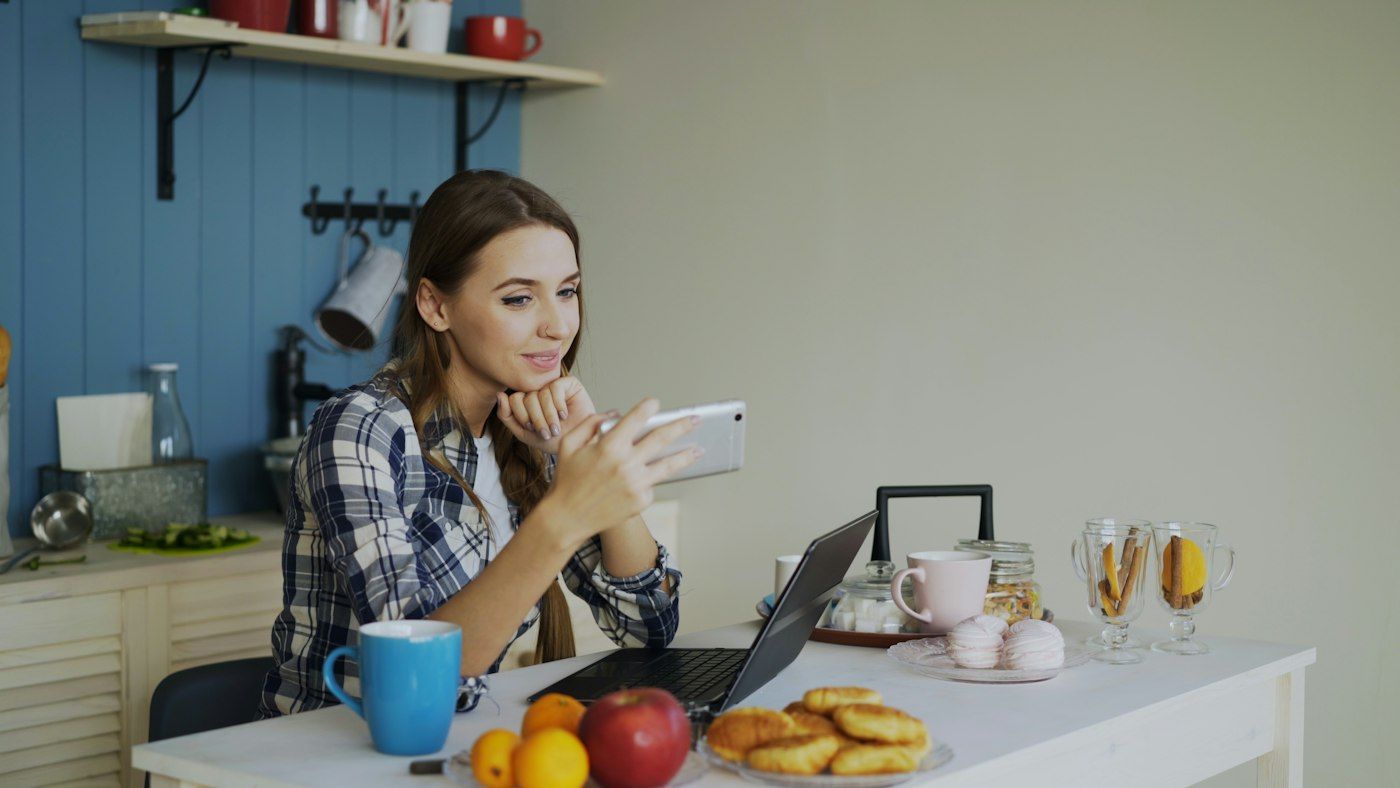
A lot of people put off booking a dietitian appointment because they cannot picture what a video call version actually looks like. Will you need special equipment. Will the dietitian be able to tell anything useful without being in the room. Is it a lesser version of the real thing, dressed up as convenient. None of that is a silly question, and none of it gets answered until someone actually books, which is exactly the gap this is meant to close.
The short version is that a telehealth nutrition appointment runs on the same structure as an in person one. Same questions, same listening, same plan at the end. What changes is logistics: what you need nearby, how the conversation is paced, and a handful of situations where sitting across a table genuinely works better than a screen.
You do not need a studio. A phone or laptop with a working camera and a stable internet connection is enough, and no specific equipment is needed to provide Medicare compliant telehealth services, though you do need to meet the clinical requirements and comply with privacy laws. In practice that means finding a spot in the house where you will not be interrupted for the length of the appointment, and where the person on the other end can actually see your face rather than the ceiling fan.
Test your connection a few minutes before the call rather than at the start of it. If the platform sends a link by email or text, click it early so any browser permission prompts for camera and microphone are sorted before the appointment time, not during it. A dropped call five minutes in is not a disaster, most services will simply reconnect, but it eats into a conversation that works better when it flows.
Think about who else is in the house too. A telehealth appointment is still a private conversation about food, habits and sometimes money and stress. If you share the appointment time with kids underfoot or a housemate walking through frame, it changes what you are willing to say out loud. A closed door for forty minutes is a reasonable thing to ask for.
Before the call, have a look in your fridge, freezer and pantry, because you will likely be asked about what is actually in the house, not what you wish was in the house. Some people find it useful to have the fridge door open on camera for thirty seconds rather than describing its contents from memory, which tends to be a rosier account than reality.
If you take any supplements or medications that interact with diet, have the packets nearby rather than trying to recall names and doses. Same goes for anything you track, whether that is a blood glucose log, a training diary or notes on your phone about what you have been eating. None of this needs to be polished. Screenshots of a supermarket app cart, a photo of a typical lunch, a scrawled list on the back of an envelope, all of it is useful raw material for the conversation.
A video call removes some of the incidental information a dietitian picks up in a physical room, and it adds some too. You lose the chance to bring in a product from the cupboard and put it on the table, though showing it to camera does much the same job. What you gain is that the conversation happens in the actual environment where the eating happens, which for a lot of people is more useful than a clinic room ever was.
The pace is usually a touch more deliberate on a screen. Silences read differently over video, so a good telehealth consultation tends to ask more direct questions and check in more often, rather than relying on the small physical cues that fill gaps in person. This is not a downgrade, it is a different rhythm, and most people adjust to it within the first few minutes.
There are situations where a face to face appointment is the more sensible choice, and it is worth naming them plainly rather than pretending telehealth suits everyone equally. If a first appointment needs measurements taken directly, or if English is not your first language and an interpreter works better in a shared room, in person makes things easier for everyone. If your home internet is unreliable, or if you simply concentrate better away from your own kitchen, that is a completely legitimate reason to come in rather than dial in.
Video is generally the preferred format for people who cannot attend a face to face consultation, which is a useful way to think about the choice: telehealth is there to remove a barrier, not to become the default because it feels easier to schedule. If travel time, mobility, caring responsibilities or distance are the actual obstacle, telehealth solves a real problem. If none of those apply and you would simply prefer to sit across a table, that is a fine reason too.
For anyone eligible for a chronic disease management plan through their GP, the telehealth items carry the same clinical requirements as the equivalent face to face consultation items, so the appointment itself is not treated as a lesser service by Medicare. Uptake of dietetic services delivered this way has grown substantially since the pandemic, with some patient groups seeing a 300% uptake in dietetic services since the pandemic according to Dietitians Australia, which tells you this is now a well worn path rather than a workaround. If you want the detail on how a chronic disease management plan and rebate actually work, that is covered properly on the rebates page.
None of this needs to be worked out in advance. The point of writing it down is so you can walk into a booking already knowing what the call will feel like, what to have nearby, and when in person might suit you better. If you are ready to see how it runs for your own situation, you can book an appointment and choose whichever format actually fits your week.
Filed under Behind the practice · all articles
Full recipes, sample days and the weekly letter, straight to your inbox. No spam, unsubscribe anytime.