By Nicola (Nikki) Edwards-Kalaf · 9 August 2026
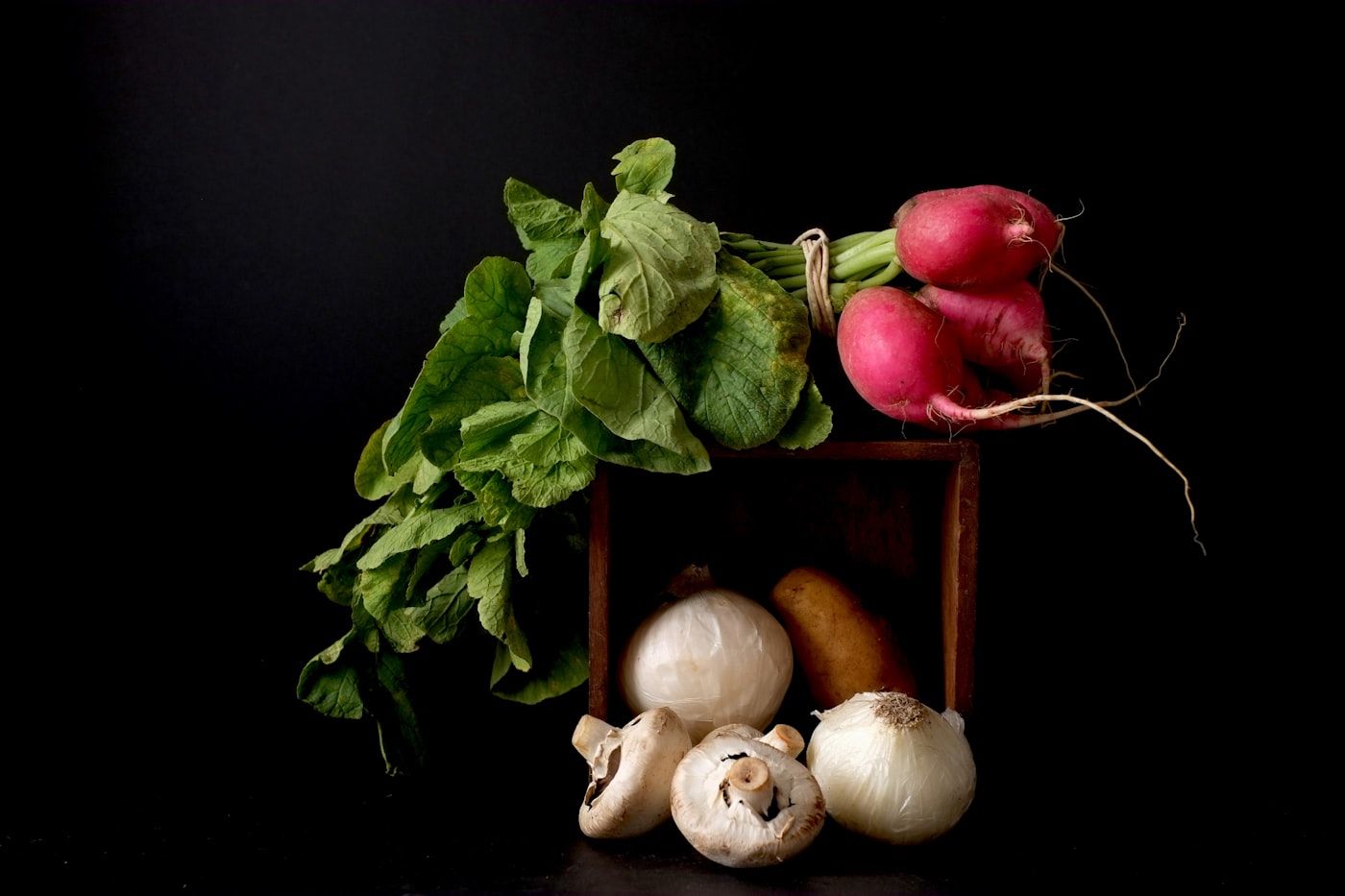
Walk past the fruit and veg section in August and it's easy to assume winter is the lean season. It isn't. The shelves are full of things at genuine peak supply right now, they're just not the shiny tomatoes and stone fruit everyone photographs in summer. Knowing what's actually in season changes three things at once: what it costs, how it tastes, and how much effort it takes to turn into dinner. Produce that's in peak local supply hasn't travelled far or sat in cold storage for months, so it needs less doctoring to taste good and it's usually the cheapest thing in the shop. Below is a plain list of what's genuinely in season across southern Australia this month, with two simple things to do with each.
This isn't just a nice idea about supporting farmers, though that's true too. The Australian Bureau of Statistics tracks Fruit and vegetables as one of the most volatile categories in the entire Consumer Price Index, alongside automotive fuel, precisely because prices swing hard with supply. Volatile items are Fruit and vegetables and Automotive fuel. When something comes into season and local supply floods the market, retail prices tend to fall, the ABS has recorded this directly, noting in one recent month that Vegetables fell 1.6% with prices falling for tomatoes, capsicums and cucumbers as they came into season. The same pattern runs the other way in winter: broccoli, citrus and root vegetables are the ones now flooding supply, so they're the ones now worth buying.
There's a second, quieter benefit. Buying what's abundant and using it while it's fresh is one of the simplest ways to stop food quietly disappearing into the bin. CSIRO research into Australia's food system found that a third of everything the country produces currently ends up wasted, at a scale of roughly 7.6 million tonnes a year. Australia produces more than enough food to feed our population. Yet a third of all the food we produce is currently ending up in the dump. Buying less variety but more of what's genuinely in season, and having a plan for it, is a small but real way to keep more of that out of the landfill and more of it on the plate.
Winter is peak citrus in Australia, full stop. Navel oranges, mandarins, lemons and limes are all at their best supply and flavour right now, largely coming out of the Riverland and Riverina growing regions. Lemons and limes are at good supply through winter, with Eureka and Meyer lemons the most common varieties. Mandarin season is in full swing through winter, with Imperial, Afourer and Murcott varieties all at good supply. Because supply is national, you'll see it wherever you shop: juicy navel oranges from NSW and South Australia turn up on shelves right across the country.
Two easy things to do with the glut: peel and portion a week's worth of mandarins into a bowl on the bench so they're the easiest snack in the house, and juice a batch of lemons on the weekend to freeze in an ice cube tray, instant dressing or a splash in cooking for months without buying a fresh lemon.
If oranges are the fruit story this month, brassicas are the vegetable one. Broccoli is at its strongest supply of the year in winter, with growing regions timed to peak through July and August. Victoria (which grows close to half of national supply) peaks in August and September, giving the best prices and firmest heads of the year. Cauliflower and Brussels sprouts follow the same pattern, the cold is doing the flavour work for you. Brussels sprouts are at their best in winter, when cold temperatures sweeten them. Cauliflower thrives in the cold, with winter its strongest season for both supply and tight, white heads, and cabbage is reliably cheap and good right through the cooler months.
Two things worth doing: roast a whole head of cauliflower or a full tray of broccoli florets with oil and whatever spice is already in the cupboard, rather than steaming a small portion, it holds up better and reheats well. Or shred cabbage raw into a slaw with a vinegar dressing, which keeps in the fridge for days and is a fast way to add crunch to otherwise plain meals.
Winter is when root vegetables come into their own, and it's not just supply, cold actually improves them. Parsnips are sweetened by frost, making winter their best season. Look for them alongside other root vegetables from June to August. Pumpkin harvested in autumn keeps carrying through: autumn harvest pumpkin carries through winter, with butternut and Queensland Blue storing exceptionally well for months. Carrots, beetroot and swede round out the list and are staples on shelves across the country right now.
The simplest move with this group is a single roasting tray, chop parsnip, pumpkin and carrot together, roast in one batch, and use the leftovers across two or three meals rather than one. The second is to build a soup base from whatever roots are cheapest that week, blend it, and freeze it in portions; it's one of the least fussy ways to use a big bag of root veg before it turns soft in the crisper.
Silverbeet, spinach and kale are all genuinely at their best in winter across the southern growing states, not just tolerated. Spinach, silverbeet and kale all thrive in winter, with supply peaking June to August across southern state growing regions. Leeks are in the same boat, cheap and reliable through the cold months, and a far better base for a soup or braise than the price of a punnet of summer tomatoes would ever justify right now.
Wilt a big bunch of silverbeet or kale straight into pasta, eggs or a curry at the end of cooking rather than serving it as a separate side, it cooks down fast and stops it going limp in the fridge unused. Leeks are worth slow cooking in butter or oil until soft and sweet as the base of almost anything; make a double batch and freeze half.
You don't need a full seasonal calendar pinned to the fridge to make this useful, just pick three items from this list next time you're at the shops instead of reaching for whatever's out of season and priced accordingly. Citrus, a brassica and a root vegetable will cover most of a week's meals between them, and they'll cost less doing it. If you'd like more everyday, no nonsense food ideas like this one, have a browse through the rest of the Nudge Nutrition blog for what's coming next.
Filed under Real Australian food · all articles
Full recipes, sample days and the weekly letter, straight to your inbox. No spam, unsubscribe anytime.